Cabinet extends validity of registered Afghan refugee cards to June 30


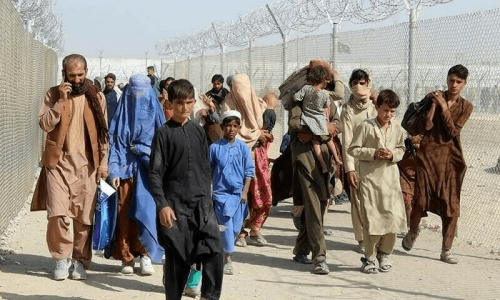
The federal cabinet on Friday approved the validity of Proof of Registration (PoR) cards for Afghan refugees to June 30 with their repatriation set to begin in the third phase.
Prime Minister Shehbaz Sharif presided over the meeting which did not announce any date for repatriation of those refugees who hold the PoR cards.
There are around 1.3 million registered Afghans still living in Pakistan, according to a spokesman for UN refugee agency UNHCR in Islamabad.
“On the recommendation of the Ministry of States and Frontier Regions, the federal cabinet approved the extension of the validity of PoR cards of Afghan refugees from April 1, 2024, to June 30, 2024,” said an official statement, issued by the Prime Minister’s Office.
The PoR cardholders will be repatriated in the third phase of the plan that will begin after the repatriation of “illegal foreign nationals” residing in Pakistan is completed, the statement added.
The cabinet members were informed that PoR card holders avail schools, bank accounts and other facilities in Pakistan.
The statement said the first phase of repatriating foreign residents living in Pakistan without any identity documents was in progress.
Meanwhile, UNHCR spokesman Qaisar Khan Afridi gave a breakdown of the PoR cardholders to Dawn.com, saying that 52 per cent lived in Khyber Pakhtunkhwa while a total of 330,000 were in Balochistan, 160,000 in Punjab and 60,000 in Sindh, mostly Karachi.
Thirty per cent of the PoR cardholders live in 54 refugee villages and 70pc in cities and out of camps, the UNHCR spokesman said.
The caretaker government had announced the repatriation of all illegal foreigners citing security concerns in October last year. The decision was alleged to be meant for Afghan refugees, a charge that was denied by officials.
Repatriation of undocumented Afghans began on November 1 and continues amid a spike in attacks in the country.
Officials had stated there were nearly 1.7 illegal Afghans with most having lived in Pakistan for 40 years.
The Afghan Taliban government had angrily reacted to what it had called “forced repatriation”.
Afghan deputy foreign minister Sher Abbas Stanikzai had alleged that Pakistan had used the refugee issue as a pressure tactic on his government.
Pakistani officials maintain that Afghan nationals are involved in attacks in the country, mostly blamed on the outlawed militant Tehreek-i-Taliban Pakistan (TTP) group.
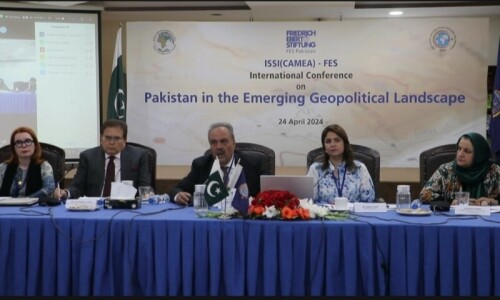
“The TTP’s enhanced attacks on Pakistan while using Afghan soil have been a serious concern for Pakistan. Another worrying aspect is the participation of Afghan nationals in these attacks,” Pakistan’s Special Representative on Afghanistan Ambassador Asif Durrani said at a conference in Islamabad on Wednesday.