Taliban govt joins climate change talks for first time


 0
0


KABUL: The Taliban government has entered the first stage of discussions with the United Nations, donors and non-governmental organisations, over the impact of climate change in Afghanistan, organisers said on Wednesday.
After four decades of war, Afghanistan is ranked as one of the countries least prepared to tackle the effects of climate change that are spurring extreme weather conditions and warping natural environments.
Foreign aid to Afghanistan has dwindled since the Taliban takeover, in 2021. Donors are wary of backing a government that is commonly considered a pariah, leaving poor and climate-vulnerable communities, further exposed to the detrimental effects.
The Norwegian Afghanistan Committee (NAC), co-hosted three days of talks that came to a close on Tuesday, country director Terje Watterdal told reporters at a news conference in Kabul.
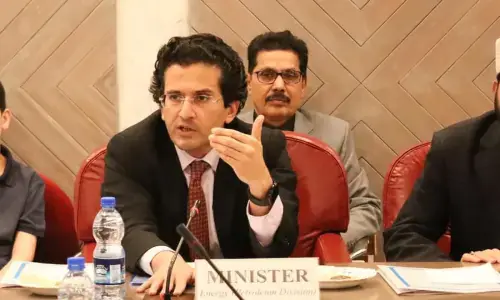
He said it was the first occasion where Taliban officials “joined a parallel session, face-to-face and online, with a broad range of their counterparts in the West, since the change of government in August 2021”.
The talks included universities, diplomats, UN agencies, donors and grassroots members of Afghan society. All sides agreed that “both individual and collective action is required both inside and outside of Afghanistan”, Watterdal said.
“All government ministries committed their full support for the national and international organizations working to combat climate change and reduce the impact of climate change in Afghanistan.”Watterdal said it is “necessary to de-politicise key development issues, such as climate change”.
Published in Dawn, April 25th, 2024