Widespread adoption of artificial intelligence (AI) and machine learning technologies in recent years has provided “threat actors with sophisticated new tools to perpetrate attacks”, cybersecurity company Kaspersky Research said in a press release on Saturday.
The security firm explained that one such tool was deepfake which includes generated human-like speech or photo and video replicas of people. Kaspersky warned that companies and consumers must be aware that deepfakes will likely become more of a concern in the future.
A deepfake — a portmanteau of deep learning and fake — synthesised “fake images, video and sound using artificial intelligence”, Kaspersky explains on its website.
The security firm warned that it had found deepfake creation tools and services available on “darknet marketplaces” to be used for fraud, identity theft and stealing confidential data.
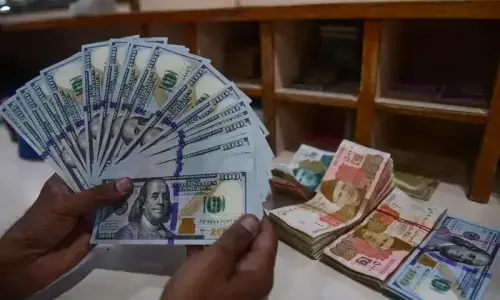
“According to the estimates by Kaspersky experts, prices per one minute of a deepfake video can be purchased for as little as $300,” the press release reads.
According to the press release, a recent Kaspersky survey found that 51 per cent of employees surveyed in the Middle East, Turkiye and Africa region said they could tell a deepfake from a real image. However, in a test, only 25pc could distinguish a real image from an AI-generated one.
“This puts organisations at risk given how employees are often the primary targets of phishing and other social engineering attacks,” the firm warned.
“Despite the technology for creating high-quality deepfakes not being widely available yet, one of the most likely use cases that will come from this is to generate voices in real-time to impersonate someone,” the press release quoted Hafeez Rehman, technical group manager at Kaspersky, as saying.
Rehman added that deepfakes were not only a threat to businesses, but to individual users as well. “They spread misinformation, are used for scams, or to impersonate someone without consent,” he said, stressing that they were a growing cyber threat to be protected from.
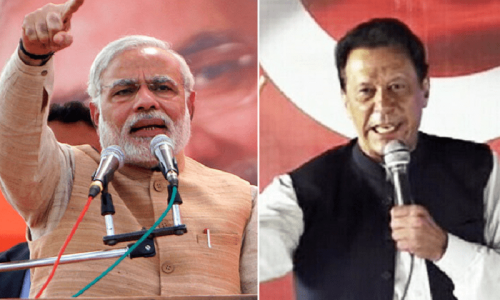
The Global Risks Report 2024, released by the World Economic Forum in January, had warned that AI-fuelled misinformation was a common risk for India and Pakistan.
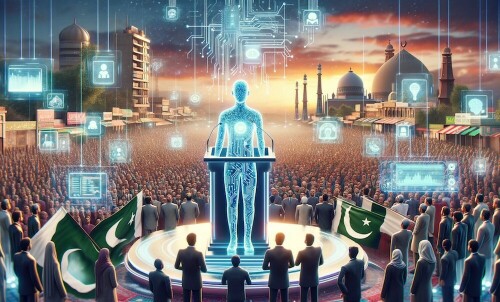
Deepfakes have been used in Pakistan to further political aims, particularly in anticipation of general elections.
Former prime minister Imran Khan — who is currently incarcerated at Adiala Jail — had used an AI-generated image and voice clone to address an online election rally in December, which drew more than 1.4 million views on YouTube and was attended live by tens of thousands.
While Pakistan has drafted an AI law, digital rights activists have criticised the lack of guardrails against disinformation, and to protect vulnerable communities.