UK, Australia vow to build N-powered subs


 0
0


ADELAIDE: Australia and Britain said on Friday that a landmark deal to develop AUKUS nuclear-powered submarines would go ahead, despite mounting fears about costs, capabilities and the possible return of Donald Trump.
Under the fledgling AUKUS deal, the two countries along with the United States have pledged to beef up their military muscle in a bid to counter China’s rise.
Defence chiefs this week unveiled ambitious plans to supply Australia with a fleet of nuclear-powered submarines, a key pillar of the agreement.
“The three governments involved here are working at pace to make this happen,” Australian defence minister Richard Marles told reporters on Friday.
“This is going to happen and we need it to happen,” he added.
Barely two years old, there are already signs that AUKUS and its central project could be under threat.
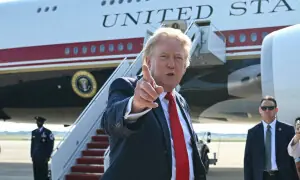
Some fear Trump could jettison the pact if he wins this year’s presidential election, returning to his “America first” style of foreign policy.
UK foreign secretary David Cameron suggested that “brilliant” AUKUS and other alliances like NATO -- which he dubbed “the most successful defence alliance in history” -- needed to be fighting fit come US election time.
“I think whoever is president, the best thing we can do is to get those alliances, to get those projects into the best possible shape so whoever is the new president can see that they’re working,” Cameron said.
He added that the nuclear-powered submarines deal was “a huge project, a huge undertaking, but absolutely essential for our security”, adding that he had “total confidence” that the deal would go ahead.
Published in Dawn, March 23rd, 2024