0
0

ISLAMABAD: Pakistan has reported six more positive environmental samples for wild poliovirus type 1 (WPV1), bringing the tally for the current year to 71.
The detection of 15 positive samples in three days has raised alarm bells, as the high transmission season for poliovirus is soon to commence.
According to an official from the Regional Reference Laboratory for Polio Eradication at the National Institute of Health (NIH), WPV1 has been found in two sewage samples taken from Karachi’s Keamari, and one each from Hyderabad, Multan, Quetta, and Faisalabad.
“All six samples contain the YB3A poliovirus genetic cluster, which disappeared from Pakistan in 2021 but remained in circulation in Afghanistan and was reintroduced through cross-border transmission in January 2023,” he said.
Tally for current year reaches 71
He said that earlier this week, nine samples tested positive for the virus causing the crippling disease. The virus was detected in two sewage samples from Quetta, two from Chaman, two from Peshawar, and one each from Karachi South, Karachi Korangi, and Mastung, he added.
“It has rung the alarm bell as high transmission season of polio virus season is going to start soon. The increase in temperature will increase the chances of new cases or infections in children having weak immunity level or those who missed the vaccination, or whose parents deliberately dodged the polio teams,” he said.
When asked about the high transmission season, he explained, “The poliovirus remains less active during the low transmission season from September to April due to lower temperatures. However, it becomes more active from May to August, during which more children can be infected. This is why polio campaigns are halted during the high transmission period.”
“A polio case can be reported in any city due to the frequent movement of people from one city to another, but the presence of the virus in sewage water means that a vaccination campaign in the area did not meet its target,” the official said.
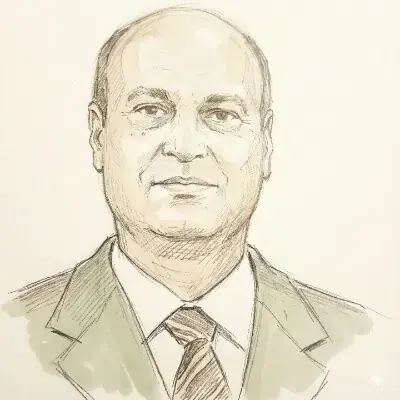
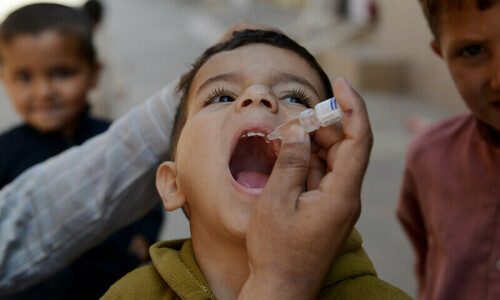
On the other hand, Federal Secretary for Health Iftikhar Ali Shallwani on Friday said that polio is an incurable disease with devastating lifelong effects, primarily affecting children. The only way to protect them is through repeated vaccination with the oral polio vaccine, he added.
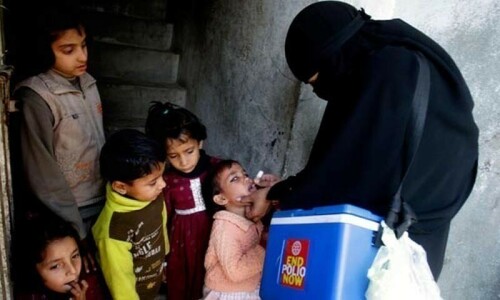
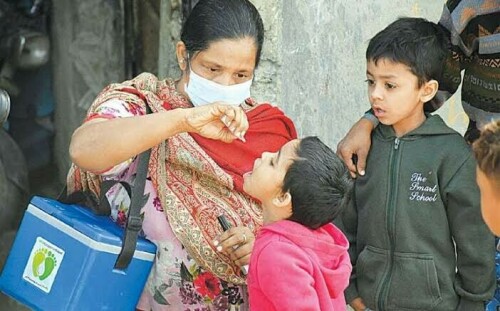
He urged parents and caregivers to always welcome polio vaccinators who bring the vaccine to their doorstep and ensure that children are up to date on all routine vaccinations, thus improving immunity to fight off infections.
The Pakistan Polio Programme has already conducted two nationwide polio campaigns, vaccinating more than 43 million children under five in January and over 45.1 million children in February. Meanwhile, a vaccination campaign will begin on March 25 in 26 districts to vaccinate over eight million children, with another campaign planned for the end of April.
Published in Dawn, March 23rd, 2024