Gastroenteritis on the rise after flu outbreak in Karachi


 0
0

• Food contamination, poor hygiene blamed for increasing number of cases
• Citizens should avoid cold drinks and eating out, doctors advise
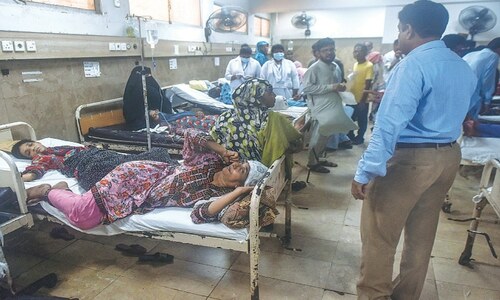
KARACHI: Cases of gastroenteritis and flu are on the rise in the city with several patients being referred to the tertiary care hospitals for admissions by general physicians, it emerged on Thursday.
According to experts, flu has staged a comeback in recent weeks after seeing a decline over a month back.
What, however, has aggravated the situation, they believe, is the consumption of contaminated food and water and compromised hand hygiene on part of the public during Ramazan.
Explaining how gastroenteritis and upper respiratory infections are affecting people, Dr Abdul Ghafoor Shoro, senior general physician currently practicing in Kaemari, said that doctors had been noticing a surge in viral influenza for almost a month with most people reporting with acute muscle or body aches, fever, sore throat and runny and stuffy nose.
“While the illness isn’t serious with early recovery signs in most cases, the situation has turned a bit complicated with the start of Ramazan. Like previous years, citizens are not observing caution and eating whatever they feel like,” he said, adding that food prepared with contaminated ingredients as well as ice made with polluted water were all contributing factors.
“It’s often people’s favourite pakoras, samosas and fruit chaat being sold on roadsides that create health problems. Children’s health is equally suffering.”
These days, Dr Shoro is daily examining 20 to 25 patients suffering from either flu or diarrhoea or both.
Seconding his opinion, Dr Altaf Hussain Khatri, senior general physician based in the old city area, said children constituted a significant number of his patients.
“I daily refer three to four diarrhoea patients, who have developed acute dehydration, to tertiary care hospitals,” Dr Khatri shared, adding that people couldn’t choose the right food and drink this Ramazan, which has come in a bit of cold weather.
Citizens, he added, should avoid cold drinks and eating out.
Sources at the Dr Ruth Pfau Civil Hospital Karachi told Dawn that 20 to 30 patients with acute diarrhoea were daily reporting at the facility’s emergency department, requiring intravenous fluids for rehydration.
Deputy Executive Director Dr Yahya Tunio at the Jinnah Postgraduate Medical Centre (JPMC) said the hospital had seen a 10 per cent increase in gastroenteritis cases with the advent of Ramazan.
“Right now, four patients suffering from renal failure are under treatment at the hospital with a medical history of acute dehydration.”
According to him, people must use boiled water, maintain good hand hygiene and keep themselves hydrated.
Published in Dawn, March 22nd, 2024