DOMESTIC violence in Pakistan is widespread and indicative of deep gender inequalities and socioeconomic instabilities that are, in turn, exacerbated by unemployment and community disorder. Collectively, these factors contribute to the extensive state of psychological distress across communities. The issue of child marriage has aggravated the crisis: some 21 per cent of Pakistani girls are married off before the age of 18, thanks to poverty, dire education deficiency, and conservative cultural norms.
Child marriage is especially common in Pakistan’s rural areas. It contributes to a cycle of domestic violence, one of the top factors responsible for psychological harm in the country. While laws like the Sindh Child Marriage Restraint Act of 2014 are a step in the right direction, enforcing the rules and changing societal mindsets are huge challenges.
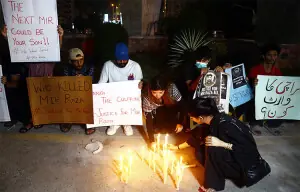
Culture’s authoritarian stamp is evident in other reprehensible practices as well. For example, in 2023, the Human Rights Commission of Pakistan reported nearly 400 ‘honour’ killings in the preceding year. However, some NGOs and international agencies estimate that the actual number each year could be as high as 1,000.
The discrepancy in figures highlights the difficulty in accurately recording such incidents, partly due to society’s reluctance to view them as crimes. Despite the legal progress made by amending criminal law to reflect the unacceptability of such a practice, the lack of enforcement of the law and archaic beliefs continue to impede progress. ‘Honour’ killings, often motivated by perceived threats to family honour, contradict the aim of legal reforms and the protection of individual rights. They underscore the urgent need for further efforts to plug the gap between tradition and fundamental rights.
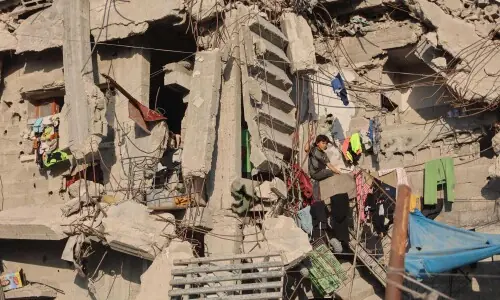
A mix of societal ills have contributed to severe mental distress.
Similarly, in Sindh, the issue of forced conversions presents a significant challenge, with the Centre for Social Justice documenting a minimum of 124 instances of such cases in 2022 alone. Forced conversions predominantly affect girls, often minors, from Hindu families, but have also impacted the Christian and Sikh communities. While accurate figures are not known, activists estimate that between 20 to 25 Hindu girls may be subjected to forced conversions each month — these include cases of abduction and forced marriage. Despite taking up the issue in the Sindh Assembly and attempting to outlaw the practice, lawmakers have encountered social pressure as well as resistance from religious factions.
In Pakistan, a considerable escalation in the number of workplace harassment complaints has been observed. While this shows increasing awareness and a greater propensity among individuals to report harassment, it also highlights another significant reason behind mental distress.
Statistics reveal a substantial rise in reported cases, which went up from nearly 500 in the period spanning 2010 to 2018, to a staggering 5,000 from 2018 to 2022. Despite the implementation of the Protection Against Harassment of Women at the Workplace Act, aimed at curbing and rectifying such misconduct, enforcing the law remains a formidable challenge, with inadequate consequences for the guilty. The effort to enforce legislative measures is further impeded by the lack of designated ombudspersons in pivotal regions, notably Punjab.
Equally to blame for the dejection and anxiety in society is the high prevalence of working children. Acquiring current and gender-specific information on child labour in the country, particularly with regard to girls, presents a significant challenge due to the limited availability of disaggregated data and difficulty in obtaining the most recent information. The Pakistan Bureau of Statistics, in collaboration with Unicef and local entities, such as the Society for the Protection of the Rights of the Child, is leading the effort to gather data on child labour, so that, based on the figures, policy reform can be instituted.
But despite these efforts, child labour remains entrenched, exposing our young ones to hazardous and exploitative working conditions from an early age.
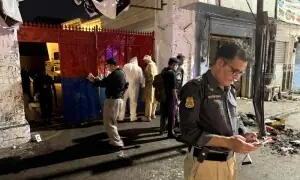
Neighbourhood disorder, including violence, drug use, and community tensions, worsens domestic violence and negatively affects mental health and the quality of life. This results in depression, anxiety and PTSD, and highlights the very limited availability of mental health services and the stigma associated with seeking help for depression.
In such conditions, ensuring fundamental rights in Pakistan is challenging. A dedicated and collective effort by stakeholders to address the causes responsible for poor mental health can go a long way in making the issue a priority for the state.
The writer is a secretary, Pakistan Psychiatric Society, Punjab chapter.
Published in Dawn, March 12th, 2024