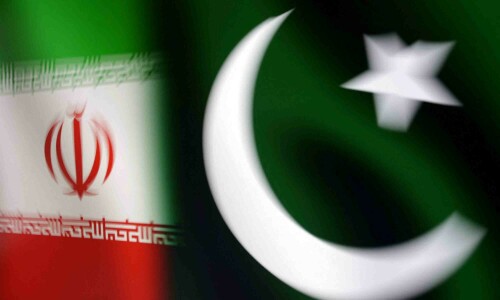
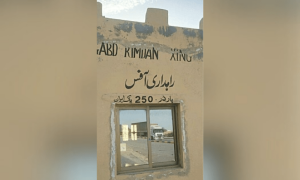
QUETTA: Trade activities between Pakistan and Iran continued as usual, as both countries kept all their crossing points open despite the airspace violation by Iranian forces and the subsequent retaliatory strikes by Pakistani forces.
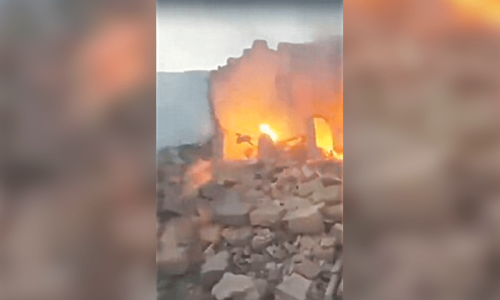
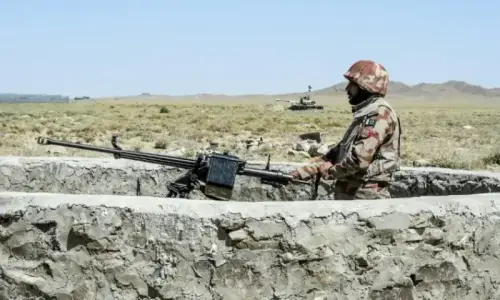
Officials said the tense situation was caused by the missile and drone attacks by the Iranian forces inside Pakistani territory and retaliation to the strikes, but both sides did not close their borders.
“Trade activities are continuing along the border towns including Taftan, Gwadar, Kech, Panjgur, and Washuk,” Makran Commissioner Saeed Ahmed Umrani said.
He added that no complaint about border closure had been received from the five bordering districts.
All five districts bordering the neighbouring country stay open
Also, the Pakistan Customs authorities in Taftan said that their offices on the Taftan border were open, and trade activities continued as usual.
On Thursday, more than 100 trucks carrying rice, potatoes and other goods from Pakistan to Iran crossed the Taftan border.
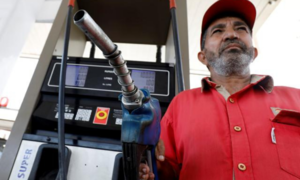
On the other hand, the customs officials said that liquefied petroleum gas (LPG) and other petroleum products were transported into Pakistan from Iran.
The deputy commissioner of Panjgur, Mumtaz Khetran, said that trade activities were being carried out through the Chidgi border with Iran.
Pakistan earlier recalled its 34-member delegation from Chahbahar after the Iranian strikes in the Panjgur area of Balochistan.
Former Quetta Chamber of Commerce and Industry president Fida Hussain Dashti, who was part of the delegation, disclosed the delegation had reached Chahbahar before the Iranian attack in Panjgur but Iranian officials did not welcome them unlike past when Pakistani business leaders visited their country.
The Iranian border authorities disallowed five members, including QCCI President Abdullah Achakzai, to cross into Iran, he said. They said Iranian intelligence agencies had given a negative report about these five members of the delegation, but later when other delegates protested and refused to attend the joint border committee meeting, they were allowed to enter Iran, he added.
For 34 delegates, he said, they had booked only nine hotel rooms. “We arranged rooms for other members with the help of some friends in Chahbahar.”
Mr Dashti said the MoUs which were planned to be inked at the meeting could not be signed after the strikes, as Pakistani delegation immediately returned in protest.
Published in Dawn, January 20th, 2024