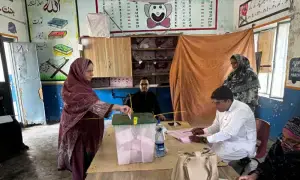
IN light of the recent consultative meeting organised by Pildat and UNDP, it is high time Pakistan’s political landscape embraced a much-needed reform: limiting the number of seats an election candidate can contest.
The practice, while not new, has recently sparked debate, especially following PTI chief Imran Khan’s decision to contest from eight constituencies in last year’s by-elections. We regret that a private bill introduced last year by a Jamaat-i-Islami MNA, aimed at restricting candidates to no more than two seats, was not taken seriously.
The lack of progress on this front perpetuates an unfair electoral advantage and a financial burden on the nation. Globally, democratic nations have addressed this issue with pragmatic solutions. India, for example, permits a maximum of two simultaneous candidacies, while Bangladesh allows three.
Meanwhile, the UK has completely banned the practice of contesting more than one seat. These measures not only ensure financial prudence but also uphold the fairness of the electoral process.
In Pakistan, the financial implications of this practice are significant. The ECP estimates a cost of Rs20.7m associated with conducting by-elections in constituencies vacated by winning candidates. These expenses, borne by taxpayers, are hard to justify, especially in a country facing economic challenges.
Furthermore, the ability to contest from multiple constituencies creates an inherent imbalance in the poll competition. It favours those with ample resources, often sidelining capable candidates with limited financial means. This disparity goes against the very essence of a democratic system, which should ideally ensure equal opportunities for all aspirants, irrespective of their economic status. The matter also has a direct impact on voter sentiment.
When elected representatives vacate seats to choose another, it can lead to a sense of disenfranchisement among the electorate. This practice not only necessitates costly by-elections but also weakens voters’ trust in the democratic process.
In the interest of these concerns, a mutual agreement must be reached among political parties to limit the number of constituencies from which a single candidate can contest. This self-regulation would be a significant step towards ensuring fair play and financial responsibility in the electoral process.
Thereafter, it is imperative that the next government, irrespective of its political alignment, takes definitive steps to amend Article 223 of the Constitution. This amendment should aim to limit candidates to contesting from no more than two seats, in line with international practices.
The need for reform in Pakistan’s poll system is clear. Political parties must collectively work towards implementing these changes. Such an initiative would not only enhance the fairness and integrity of elections but also demonstrate a commitment to responsible governance.
We hope that with mutual understanding and collaboration, Pakistan can move towards a more equitable and financially sustainable electoral system.
Published in Dawn, December 21st, 2023