ISLAMABAD: The World Bank on Wednesday announced that its board of directors had approved the long-awaited $350 million loan ‘2nd Resilient Institutions for Sustainable Economy (RISE-II) Operation’ to Pakistan to support key macroeconomic reforms in energy, taxation and business environment.
The financing “aims to strengthen fiscal management and promote competitiveness for sustained and inclusive economic growth”, the Washington-based multilateral lender said in its announcement. The Beijing-based Asian Infrastructure Investment Bank (AIIB) is co-financing the programme with another $250m.
The operation contributes to better fiscal management by improving fiscal policy coordination, enhancing debt transparency and management, strengthening the taxation of property, and improving the financial viability of the power sector, the bank said, adding that the financing seeks to foster growth and competitiveness by reducing the cost of tax compliance, improving financial sector transparency, encouraging the use of digital payments, and promoting exports by lowering import tariffs.
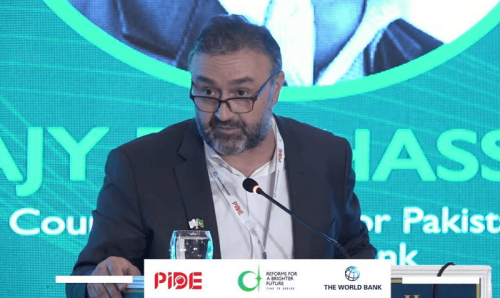
“Pakistan needs urgent fiscal and structural reforms to restore macroeconomic balance and lay the foundations for sustainable growth,” said Najy Benhassine, World Bank Country Director for Pakistan. “RISE-II completes the first phase of tax, energy and business climate reforms geared to raising additional revenues, improve the targeting of expenditures and stimulate competition and investment.”
World Bank’s team leader for the operation Derek H. C. Chen said that based on the foundations laid through RISE II and parallel support by other international financial institutions, Pakistan had the opportunity to tackle long-standing structural distortions in its economy after the upcoming general elections. “Failing to use this opportunity would risk plunging the country back into stop-and-go economic cycle,” he said.
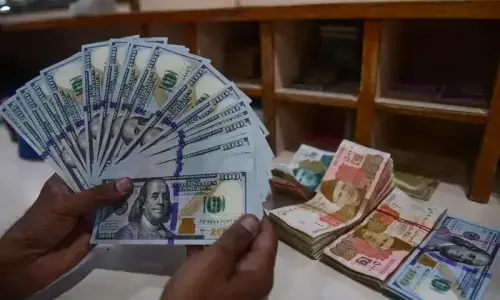
Importantly, the combined $600m programme would help Pakistan shore up foreign exchange reserves while taking measures to enhance the policy and institutional framework for improved fiscal management and regulatory conditions that support growth and competitiveness.
Reforms through the programme seek to strengthen institutions for fiscal and debt management, broaden the tax base, eliminate trade barriers, and rationalise power sector subsidies. The loan had been delayed because of programme conditions that required tax harmonisation between the Centre and provinces. The federal and Sindh governments reached an agreement last fiscal year for harmonisation of general sales tax — the large hiccup to the clearance of the loan by the World Bank board.
In 2020, the AIIB and World Bank co-financed RISE-I, the first programme in the series, to assist the Pakistan government in improving macroeconomic management and business competitiveness in the medium term.
This, among other things, led to reduced power sector subsidies and rationalisation of consumer tariffs through full cost recovery for containment of circular debt, which nevertheless continues to grow even now and crossed Rs2.6 trillion by the end of October.
Measures under RISE are targeted to improve the regulatory framework, harmonise general sales tax, ensure financial sector transparency through digitisation and cut anti-export bias. The loan is part of the development policy financing.
Published in Dawn, December 21st, 2023