ISLAMABAD: Amid disclosure of circulation of fake currency notes of the highest denomination (Rs5,000) beyond the recognition of a deputy governor of the State Bank of Pakistan (SBP), the Senate Standing Committee on Finance on Tuesday expressed extreme dissatisfaction over the central bank’s inadequate action against delinquent banks in about Rs70 billion trade-based money laundering through solar panels.
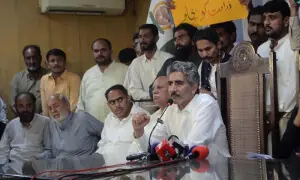
The meeting of the committee presided over by Senator Saleem Mandviwala took up the issue of circulation of fake currency notes as one of the members presented a Rs5,000 banknote to SBP Deputy Governor Dr Inayat Hussain who conceded that it was a good quality note and he could not recognise if it was fake or not.
Senator Mandviwala observed that if he could be given a fake note, imagine what would happen to common people and where should an affected person go for compensation or redressal. He lamented that circulation of fake currency notes was on the rise and it was happening through the banking system.
Other members demanded that the SBP should come up with a policy on the issue and how to compensate an unsuspecting citizen and the matter should also be referred to the Federal Investigation Agency (FIA). The deputy governor promised to improve relevant regulations in this regard and ensure a detailed briefing to the committee soon.
Senate body also grills central bank deputy over fake notes
Mr Mandviwala said there should be a system in place so that fake currency could be replaced by the affected persons but the SBP deputy chief did not agree, saying Pakistanis were too smart and would come up with fake notes and lead to long queues. The chairman, however, insisted the state should not leave unsuspected customers at the mercy of fraudsters and unscrupulous elements.
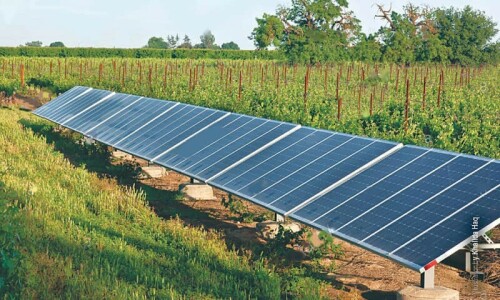
The committee also took up the issue of trade-based money laundering through the import of solar panels. Despite repeated questions from the chairman and members of the committee, Dr Hussain did not identify the banks involved but reported that a Rs90 million fine had been imposed on banks and actions taken against 17 of their officers. He insisted that the central bank had taken regulatory action permissible under the law.
As the SBP deputy chief remained tightlipped, one of the senators believed that perhaps somebody too influential was part of the scam that the central bank could not disclose identity. Therefore, the members decided on their own, without any support or opposition from the central bank, to look into the issue in an in-camera session that is unexpected to be held at least in the next few weeks.
The committee said it was dissatisfied with the SBP’s response regarding the investigation into substantial money laundering by solar panel importers. “During the deliberations, it was noted that the deputy governor failed to provide sufficient details on actions taken against accused parties and banks involved in money laundering”, it said.
The committee observed that the penalties did not align with the gravity of the crime and demanded enhanced legislation with stricter penalties for offences impacting the country’s economy. Additionally, the committee recommended further discussions on fortifying rules and regulations, requesting a comprehensive, tabulated report on the number of banks involved, the amount of money in laundering activities, and the penalties imposed.
Non-filers in FBR
During the meeting, Federal Board of Revenue Chairman Amjad Tiwana told the committee that media reports about the rampant practice of non-filers about his workforce were far from the truth. He said FBR had a total of 19,151 employees and 10,109 of them were return-filers.
Of the remaining, 8,503 employees were below the requirement for filing returns as their salaries were less than Rs50,000 per month and annual income above Rs600,000 required a mandatory return.
He, however, conceded that 909 staff required to file returns had failed to do so. The number has declined to 180 by now, he added.
Published in Dawn, December 20th, 2023