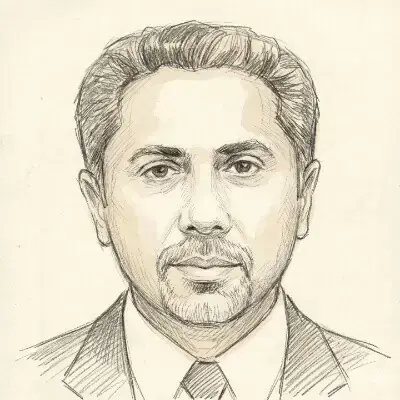
Sindh interim Home Minister retired Brigadier Haris Nawaz on Monday said authorities have so far arrested 1,700 Afghan nationals “illegally residing” in Karachi.
“All illegal immigrants living in Sindh would be deported,” he said in a media talk outside the office of West Zone deputy inspector general of police.
The development comes a week after the caretaker government gave an ultimatum to all undocumented immigrants, including Afghan nationals, to leave Pakistan by October 31, or else risk imprisonment and deportation to their respective countries.
It was decided that movement across the border would be subject to passports and visas, while electronic Afghan identity cards (or e-tazkiras) would only be accepted until Oct 31.
After the passage of the deadline, the authorities will kickstart an operation targeting illegal properties and businesses owned by immigrants or those being run in collaboration with Pakistani nationals.
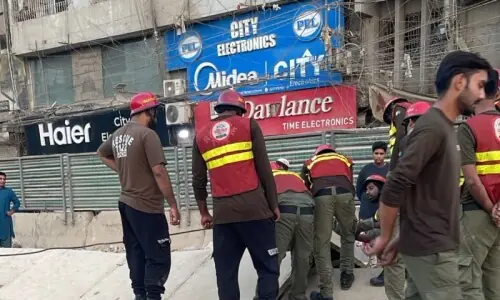
Following the government deadline, a crackdown has commenced across the country on illegal immigrants, particularly Afghan citizens.
Last week, a meeting of the Sindh Apex Committee, attended by caretaker Chief Minister retired Justice Maqbool Baqar and Chief of Army Staff Gen Syed Asim Munir, was informed that pockets where illegal Afghan nationals were concentrated in the province had been identified.
The provincial government had informed the meeting that an action plan to implement the federal government’s policy on illegal foreigners’ repatriation plan had been shared with the interior ministry.
Talking to media persons today, Nawaz said the Sindh government was preparing a mechanism under which registered immigrants would not be touched.
He said committees led by concerned SSPs and deputy commissioners were being formed in which representatives of all institutions would be included in action against illegal immigrants.
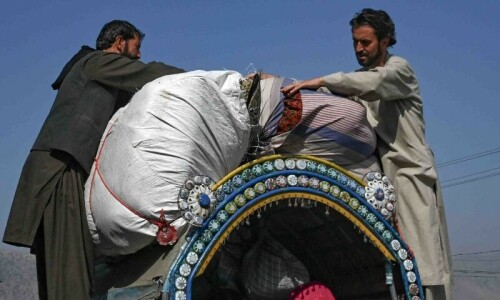
Illegal Afghans, the home minister stated, would be sent back home in buses through the Chaman border in Balochistan, while registered Afghans would not be touched.
Talking about the law and order situation in the province, Nawaz said, “We have adopted an extraordinary policing policy”.
He added that the policy would help improve the situation of street crimes and other lawlessness.
“We would not allow any corrupt mafia to become active again,” the caretaker minister vowed, adding that the “system” that existed earlier would not be allowed to continue.
The home minister further stated that an artificial water shortage was being created in Karachi after the government’s recent crackdown against illegal hydrants and water thieves.