KARACHI: A panel discussion has highlighted that there is much to be done to attract more people to the teaching profession and there is also a need to invest in teachers’ training and development, followed by coming up with strategies to retain good teachers in order to increase the quality of education in the country.
The discussion was organised by the Aga Khan University Institute for Educational Development (AKU-IED) to celebrate World Teachers’ Day with a focus on the United Nations Educational, Scientific, and Cultural Organisation’s (UNESCO) theme, ‘The teachers we need for the education we want: the global imperative to reverse the teacher shortage’, here on Thursday.
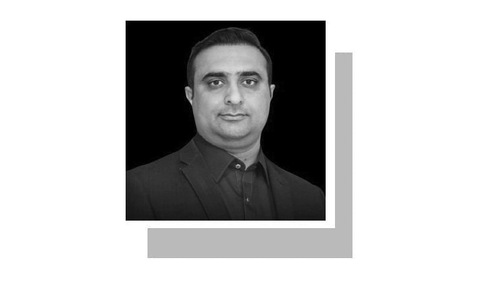
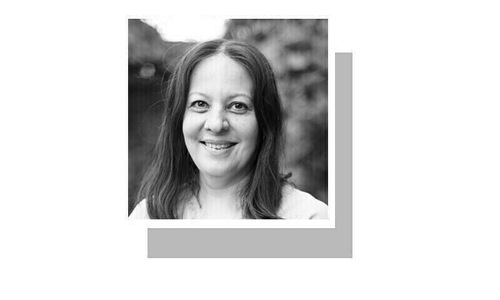
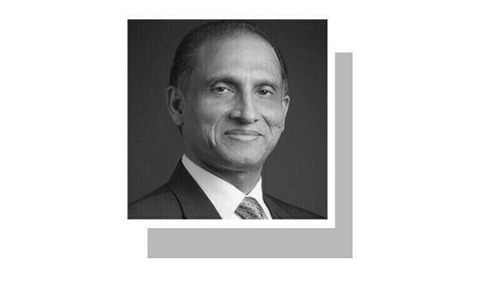
The panel discussion, moderated by AKU-IED Dean Prof Farid Panjwani, included the dean, School of Education, Lahore University of Management Sciences (LUMS), Dr Faisal Bari, founder and principal, Generation’s School, Dr Ghazala Siddiqui, lecturer, Government Elementary College for Education for Durbeen, and alumnus, AKU, Afaq Ahmed.
The panellists focused on the causes and consequences of the teacher shortage as well as potential solutions to the problem. They also highlighted the importance of quality teachers in ensuring quality education for all children.
Experts say dearth is more acute in rural areas
Pakistan has a shortage of over one million teachers, and the shortage of teachers is particularly acute in rural areas and in subjects such as science and mathematics, they said.
“Teachers are at the heart of education recovery. Policymakers in the public and private sectors need to address the impending challenges in the education sector through a holistic approach,” said Prof Panjwani.
“Investment in developing skilled educational professionals for the digital age and remodelling educational policy viz-a-viz out-of-school children is the need of the hour,” he added.
‘No shortage of teachers in public sector’
Dr Faisal Bari said that there was no shortage of teachers in the public sector, but there was a shortage in the private sector, where the teachers are also not as well-trained as they were in the public sector.
He said that this can be remedied by training and hiring more teachers in the private sector. “But if you want good teachers, you also need a higher pay scale,” he pointed out.
“A major rethinking is required in terms of educational policy. A commission needs to be formed that should provide policy guidelines for the next five to 10 years, and its recommendations should be ratified by political stakeholders for the continuity of this policy,” said Dr Bari.
Dr Ghazala Siddiqui said that what was most important at the moment was the growth of private sector schools.
Afaq Ahmed said that apart from the issue of a shortage of good-quality teachers in private schools, there is also the issue of a shortage of space in private schools, which are mostly ‘bungalow schools’. “All resources have been shifted into small rooms. Children don’t have grounds to play,” he said.
He also spoke at length about teachers’ licences, which acts as a filter for teachers. He added that training teachers is like metamorphosis. “It is a process. When we are preparing teachers, they are training to handle a class of 15 students, but reality is different, as when they start teaching, they find themselves in a classroom of 40 or so students. So it is a transition. As they teach, they build up their confidence,” he said.
The celebration of World Teachers’ Day also included a musical performance and an ode to teachers by the AKU-IED student body.
Published in Dawn, October 6th, 2023