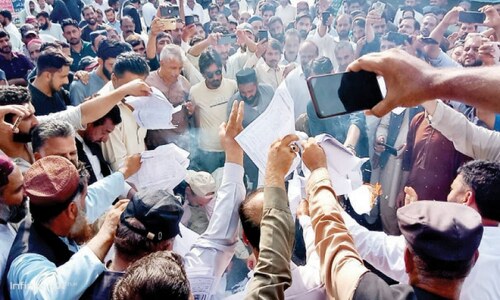
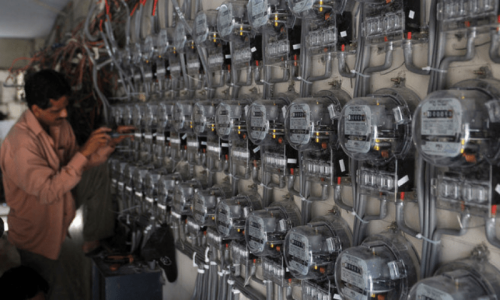
SINCE the base power tariff was jacked up starting July 1, protests over exorbitant electricity bills have surged to a crescendo. With prices of almost all other commodities of domestic use also at unprecedented levels, household budgets were already very tight.
The higher electricity prices hit during a month when parents of school-going children were also juggling back-to-school costs, adding to their despair. To make matters worse, there seems to be no respite in sight.
According to recent reports, power distribution companies have petitioned the national power regulator to recover additional fuel costs and quarterly tariff adjustment charges for electricity that has been consumed in previous months.
The total amount to be charged to customers under these two heads runs close to Rs200 billion. If approved, these charges will start to be added to customers’ bills in the coming months. That is not all. Considering the ongoing devaluation of the rupee, electricity generation costs are likely to continue rising in the coming months, which will necessitate various similar ‘adjustments’ being charged to customers through their electricity bills in the foreseeable future as well.
With citizens struggling to come to terms with the sudden increase in the cost of electricity, there is already much resentment over the significant difference between the weighted average cost of generating one unit of electricity and how much consumers end up paying for it after added charges and taxes.
It appears that authorities now have little option but to confront head-on the citizenry’s concerns over this differential, which reflects massive capacity payments past governments have guaranteed to power generation companies, line losses arising from a highly inefficient energy distribution infrastructure, rampant electricity theft and, lastly, the slew of taxes that are slapped onto billed electricity charges.
The authorities must get to work on a war footing. Companies managing the transmission and distribution of power should be held to account for consistently high line losses; bill-payers cannot continue to pay for their negligence.
Likewise, the state has turned a blind eye to electricity theft for too long. It defies understanding why it expects honest citizens to pay for those who steal. The matter of capacity payments is larger and more complex. Nearly six years ago, these pages had warned the authorities that they were leading Pakistan into a ‘capacity trap’.
The government now has to find a way out of any bad contracts, which are adding unfairly to the cost burden for end consumers. Lastly, the government must rationalise its taxes. It can start by reviewing the withholding income tax on electricity bills that cross the Rs25,000 threshold. The condition places an unfair burden on anyone living in a rented property who may be a filer themselves but is renting from a non-filer.
Published in Dawn, August 25th, 2023