0
0

PESHAWAR: Authorities have claimed a significant decline in people’s resistance to polio vaccination in the Khyber Pakhtunkhwa province.
In a report, the Emergency Operations Centre Khyber Pakhtunkhwa said the number of families refusing the administration of polio drops to their children had come down by around 35 per cent.
It said the development was observed during the June vaccination campaign, which also reported a 25 per cent decline in the number of children who missed vaccination in the last few drives.
The centre said all such children were given vaccine jabs.
The country recorded 20 polio cases last year, all from Khyber Pakhtunkhwa. However, the number came down to one this year. The only child diagnosed with polio was reported in Khyber Pakhtunkhwa.
Clerics claim their support led to 35pc decrease in vaccine refusal cases
Officials said for the first time, the government had got the ulema’s support for polio vaccination in 2016 after seeing many families oppose the administration of oral polio vaccine to their children for religious reasons.
Local clerics claim that their support has caused vaccine refusal cases to decline as the people previously opposed to vaccination for religious reasons are getting their children inoculated against polio.
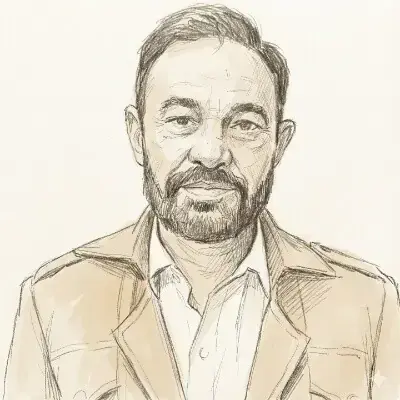
“Thousands of people defied vaccination on different misconceptions, most of them argue that drugs disallowed in Islam before occurrence of a diseases but we convince them in light of teachings of the Holy Quran and edict issued by famous Islamic intuitions in 43 countries,” principal of the Hayatabad seminary Darul Uloom Maulana Raees Khan Toru told Dawn.
He said “chronic” vaccine refusals were tackled through local jirgas, which comprised prayer leaders.
Mr Toru said religious leaders met health and other relevant officials before and after polio campaigns to discuss issues and finalise ways of creating demand for vaccines not only against polio but also other vaccine-preventable diseases.
He said vaccines were administered to children at the centres of the Expanded Programme on Immunisation free of charge.
The religious leader said the people turning away vaccinators also included government employees, including police officials and doctors, but they insisted on the vaccination of their children in hospitals citing the “better vaccine cold chain” as the reason.
“We [ulema] convey the names of vaccine-hesitant government employees to authorities for action,” he said.
Mr Toru said religious leaders dealt with vaccination refusals onreligious grounds, which outnumbered the “demand-based reluctance” of the people, who linked vaccination with the pavement of roads and provision of electricity and water.
He said the ulema met prayer leaders, who were opposed to vaccination.
“The Provincial Scholars Task Force on Polio led by Maulana Hussain Ahmed Madani is working in all districts to ensure that children get polio drops to prevent disabilities,” he said.
He said 184 religious leaders worked for the force in Peshawar, the hotspot of the virus and home to “chronic” vaccination refusals.
“The task force has representation of all schools of religious thought, and works across the province to administer vaccine jabs to children at fixed centres and through door-to-door special campaigns. Despite receiving threats and accusations, we support vaccination for the better health of children,” he said.
The cleric also said he and his team members met parents, too, and addressed their concerns about polio vaccine and even shared with them the reports of lab tests prepared by an independent group of religious leaders about vaccine safety.
He rubbished the people’s claims that the polio vaccine causes impotence and sterility, and is meant to cut down Muslim population in the world, and declared the assertions “absolutely wrong.”
He said clerics also underwent training regarding vaccination, while the country’s top religious scholars were part of the National Advisory Council, who led the drive to ensure children’s immunisation.
“In Peshawar, most vaccination refusals are reported in Shah Alam, city and Tehkal areas,” he said.
Published in Dawn, July 9th, 2023