Ex-SBP chief Reza Baqir concerned by Pakistan’s proximity to default

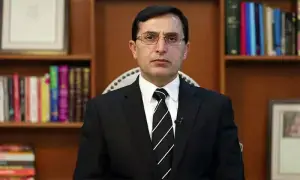
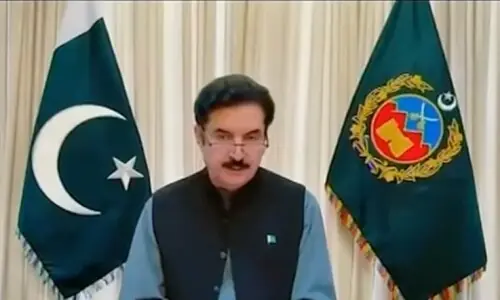
LONDON: Former State Bank governor Reza Baqir expressed concern over Pakistan’s proximity to default, saying that he is “more concerned than ever”.
Speaking during the final session of the Pakistan Literature Festival, held here on Saturday, the former head of the central bank said that the country needs a constructive relationship with the financial institutions it seeks to rely on for support.
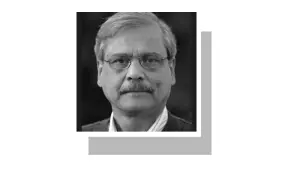
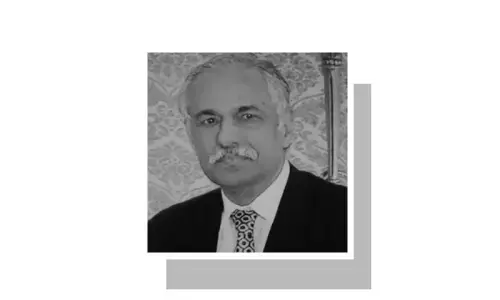
Titled ‘The root causes of Pakistan’s Economic Crisis and how to address them’ and moderated by Nadir Cheema, the all-male discussion panel also featured economist Ishrat Hussain, Zafar Masud and former FBR chairman Shabbar Zaidi.
“I always try to be cheerful in public communication. But it comes down to this: if you are a company or person who needs financial support to get through, it is the first step to have a constructive relationship with whatever financial institution will give you that support,” Dr Baqir told a packed hall.
“I am concerned because our relationship with the international financial community has not improved over the last few months. The deterioration comes in terms of substance and communication. If we want to avoid default, we have to have a constructive relationship with those who are there. We cannot antagonise the people whose generosity we need. But it looks like that is not where it is headed.”
He said if there is a default, Pakistan will go through a “painful, protracted process”.
“I was fortunate to be at State Bank during the Covid crisis, which was much worse. If we could come out of Covid, we can come out of this crisis. We need to address reasons that have brought us to where we are and have conviction that we can get out with course correction.
During the Q&A session, Mr Zaidi, the former FBR chairman, said: “Neither army nor political parties want to improve the real estate sector of Pakistan when it comes to taxation. Question is the will of the state when it comes to taxation. Chief of army of army staff himself asked me to decrease taxation in this sector.”
Mr Hussain said that 60pc of Pakistan’s GDP comes from agriculture, wholesale, real estate construction and transport, and that these sectors have a minimal tax burden. “The whole burden falls on the organised sector, and that gap is only discouraging more investment.”
He emphasised that Pakistan’s political instability creates further economic gloom.
“Give prime ministers five years, don’t manipulate elections, let them govern without fearing they will lose political space. Unwarranted interventions from forces are unconstitutional.”
Published in Dawn, June 18th, 2023