Saudi Arabia seeks cooperation with China, ‘ignores’ Western worries



Saudi Arabia wants to collaborate, not compete, with China, the kingdom’s energy minister declared on Sunday, saying he “ignored” Western suspicions over their growing ties.
As the world’s top oil exporter, Saudi Arabia’s bilateral relationship with the world’s biggest energy consumer is anchored by hydrocarbon ties. But cooperation between Riyadh and Beijing has also deepened in security and sensitive tech amid a warming of political ties — to the concern of the US.
Asked about criticism of the bilateral relationship during an Arab-China business conference, Prince Abdulaziz bin Salman said: “I actually ignore it because … as a business person .. now you will go where opportunity comes your way.”
“We don’t have to be facing any choice which has to do with (saying) either with us or with the others.”
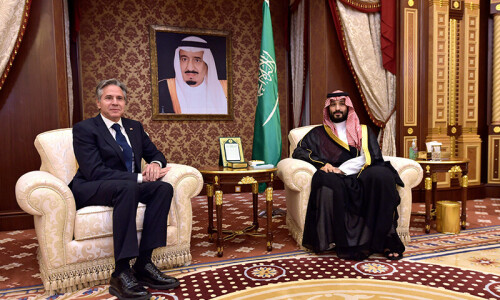
Chinese entrepreneurs and investors have flocked to Riyadh for the conference, which came days after a visit by US Secretary of State Antony Blinken.
Oil deals
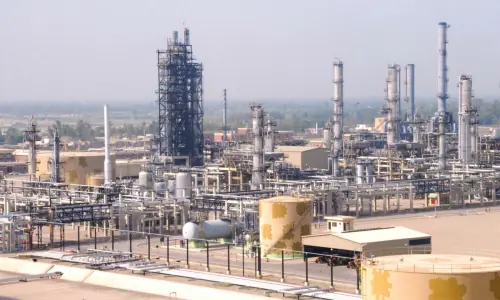
In March, state oil giant Saudi Aramco (2222.SE) announced two major deals to raise its multi-billion dollar investment in China and bolster its rank as China’s top provider of crude.
They were the biggest announced since Chinese President Xi Jinping’s visit to Saudi Arabia in December where he called for oil trade in yuan, a move that would weaken the dollar’s dominance.
“Oil demand in China is still growing so of course we have to capture some of that demand,” Prince Abdulaziz said.
“Instead of competing with China, collaborate with China.”
The two nations’ momentum has also raised prospects for a successful conclusion to negotiations for a free trade deal between China and the Saudi Arabia-dominated Gulf Cooperation Council (GCC), ongoing since 2004.
Saudi Investment Minister Khalid Al Falih said any agreement would have to protect emerging Gulf industries as the region starts to diversify towards non-oil economic sectors.
“We need to enable and empower our industries to export, so we hope all countries that negotiate with us for free trade deals know we need to protect our new, emerging industries,” Falih said, adding he hoped a deal would soon be struck.