THE army is clearly furious. The events of last week have challenged its primacy in the calculus of power, and it is seeking to claw its way back. It should not surprise anyone that it is looking to respond with ‘overwhelming force’.
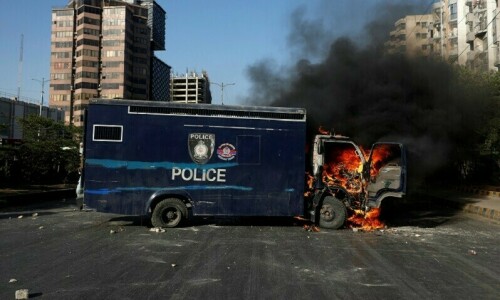
Past attacks on the institution on a much smaller scale have elicited similar responses; this time, the scale of the attack was much larger. The images of the gates to GHQ being forced open, monuments to heroes being defaced, citizens pelting army vehicles with stones, and the burning down of a corps commander’s residence will not be easy to scrub away from public memory. Hence, a decision appears to have been made to replace them with a memory of abiding dread.
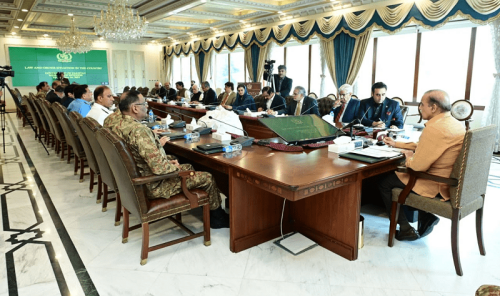
The press release issued after Monday’s corps commanders meeting reflects this strategy. However, the army must reconsider the path it intends to take.
The ISPR has said the army will be seeking trials of suspects under the Army Act and the Official Secrets Act. Both laws have long been criticised by rights activists and ex-servicemen for being repugnant to fundamental legal rights, including the right to a fair and transparent trial, the right to proper legal representation, the right to appeal sentences and, most importantly, the right to be presumed innocent until proven guilty.
Thousands of citizens across the country have been picked up in connection with the violence that broke out last week; many continue to be held without being produced before a magistrate or being charged with an offence.
The miscreants who committed arson, looting or destruction of property deserve punishment, but their punishment should equal the severity of their crimes. Trying them for rioting under army laws is a gross overreaction. The government must not condemn any citizen to a military trial out of any vindictiveness over their political leanings.
Prosecution of the violence and mayhem seen on May 9 and 10 should be left to the civilians. The army should limit its role to sharing evidence with investigators, helping establish the extent of damage caused with the help of CCTV footage and eyewitnesses, and providing any other material and aid whenever needed.
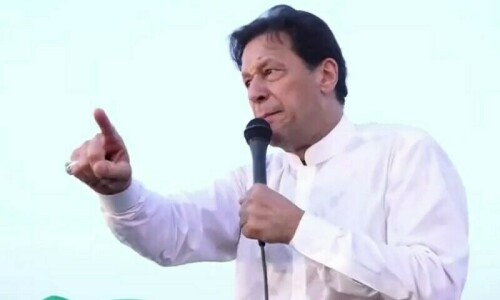
The PTI chairman, meanwhile, insists he has evidence to exculpate the party from the charges it faces. He should be allowed to present his case, but the party must also cooperate with the investigation wherever needed.
Finally, the military leadership must remember that the laws governing the armed forces were meant to maintain discipline and perpetuate control, not punish citizens who may have been expressing pent-up anger and frustration.
The ISPR statement indicates that the army still wants “the full support of the people of Pakistan”. It will find it difficult to achieve this goal if the people are treated as enemies.
Published in Dawn, May 17th, 2023