Saudi economy edging closer to reducing dependence on oil: IMF official



Government-led reforms and the growth of private investment in new sectors will help support non-oil economic growth in Saudi Arabia amid an expected sharp slowdown in overall growth this year, a senior International Monetary Fund (IMF) official said.
The Saudi economy grew 8.7 per cent last year, as high oil prices boosted revenue and led to the kingdom’s first budget surplus in almost 10 years.
The IMF projects that Saudi Gross Domestic Product (GDP) growth will more than halve to 3.1pc this year, in line with the forecast for Middle East oil exporters. The forecast, however, is higher than the 2.6pc growth rate that the IMF projected in January.
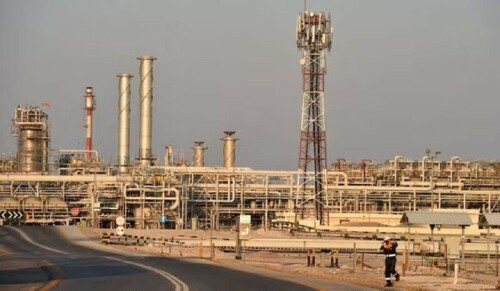
Several Organisation of the Petroleum Exporting Countries Plus (Opec+) member states, led by Saudi Arabia, the world’s top crude exporter, recently announced surprise cuts to oil production from May, initially driving up global prices, although global worries and an uncertain demand outlook are weighing on prices.
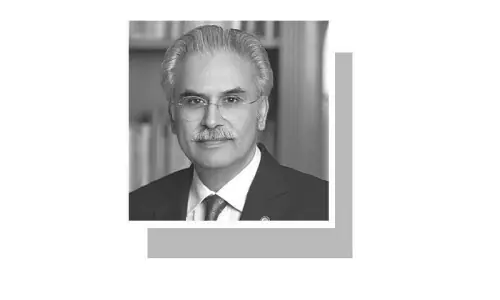
“This year, with the implementation of the new Opec+ quotas, we expect the oil sector to slow down,” Jihad Azour, director for the Middle East and Central Asia at the IMF, told Reuters, adding that the impact on the kingdom’s budget depended on prices.
“The drop in production will affect growth because output will decline, but revenues could grow and this could have a positive impact on both external accounts, the reserves, and the budget deficit,” he said.
“Clearly, the strategy over the last five to six years has helped the Saudi economy, and also the public finances, to be less dependent on the cycle of oil.”
Saudi Arabia has embarked on an ambitious economic transformation plan known as Vision 2030, investing billions to diversify into sectors such as tourism, launch massive infrastructure projects, and develop the financial and private sectors.
“The size of the non-oil economy is growing and it’s mainly driven by the private sector,” Azour said.
UAE non-oil business activity surges in April

Separately, an acceleration in the growth of new orders led to a surge in non-oil business activity in the United Arab Emirates in April, a business survey showed on Wednesday.
The seasonally adjusted S&P Global UAE Purchasing Managers’ Index (PMI) rose to 56.6 in April from 55.9 in March — the highest in six months — signalling a further improvement in the Gulf state’s non-oil economy.
The sub-index for New Orders jumped to 59.9 in April from 56.2 the previous month, the fastest pace of growth in new business since November 2021, due mostly to domestic demand.
“The UAE PMI rose for the third month running in April to signal an even stronger rate of expansion across the non-oil economy, driven by rapidly increasing new orders and retreating inflationary pressures,” said David Owen, senior economist at S&P Global Market Intelligence.
“Efforts to improve services and boost marketing also underlined growth, according to panellists, and supported a robust expansion in activity.”
The Output sub-index rose to 62.7 last month, up from 62.2 in March and the highest pace of growth since October 2022, and although employment activity softened from March, the sub-index remained above 50, signalling continued growth in jobs.