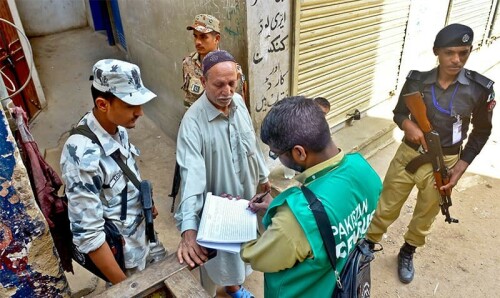
UNLESS there is broad-based acceptance of the results of the ongoing census amongst all political stakeholders, the expensive and time-consuming head count may become an exercise in futility, much like its 2017 predecessor turned out to be.
For this, it is essential that the state ensures transparency in the gathering of data and tabulation of results. That is why the government did the right thing by extending the head count till May 15, and briefing political parties on the status of the exercise.
Both parties within the coalition government, as well as those in the opposition, had raised doubts about the census. Amongst the loudest critics of the head count is the PDM-allied MQM-P, which has dangled the prospect of leaving the government unless its reservations regarding the census are sufficiently addressed.
While the Muttahida has a long history of making demands of its partners and threatening to leave coalitions, there appears to be some substance in its criticism of the census.
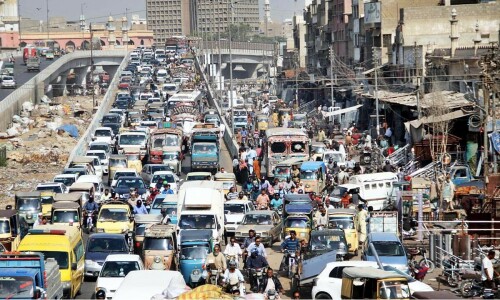
MQM leaders say Karachi’s population has been massively undercounted, with the party’s head claiming the megacity’s actual population is around 35m, whereas the provisional results put the numbers at just over 16m. Further, the MQM accused the PPP, which rules Sindh, of “systematic alteration” of population figures.
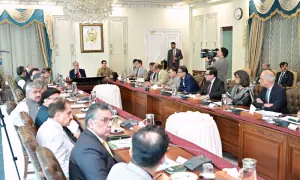
The prime minister assured an MQM delegation on Thursday that its grievances would be addressed. The MQM is not alone in its criticism. Sindh’s chief minister was quoted as saying that his administration would “surely” reject the results.
This appears to be premature, though the PPP’s grievances about undercounting interestingly support the MQM’s argument. Meanwhile, JUI-F chief Maulana Fazlur Rehman, another government ally, also questioned the apparent decline in urban Sindh’s population. In the opposition camp, the Jamaat-i-Islami has threatened protests if its reservations about Karachi’s allegedly reduced numbers are not addressed.
It is not just about Karachi or urban Sindh. Figures for the whole country need to be accurately represented, especially when population carries so much weight in the NFC Award, determines seats in parliament, etc. This is especially true for a province like Balochistan, which is behind in most indicators.
While there is a debate amongst experts to reduce the weightage given to population, the fact remains that the census numbers should be a truthful representation of Pakistan’s demographic realities. Lending credence to the criticism of the head count was the planning and development minister’s observation on Friday that enumeration had been slow both in urban and remote areas.
Moreover, during a recent ‘combing operation’ in Karachi, it was discovered that several high-rise buildings were left uncounted.
The PBS should continue to engage and share data with political stakeholders and experts so that any flaws in methodology or other anomalies can be identified and rectified.
Published in Dawn, April 29th, 2023