0
0

ISLAMABAD: The Asia-Pacific region will miss the 2030 target year by several decades to achieve the Sustainable Development Goals as the total number of years required to achieve the SDG targets in the region has increased, a United Nations report said on Wednesday.
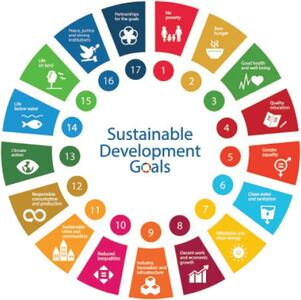
According to the SDG Progress Report 2023 released by the UN Economic and Social Commission for Asia and the Pacific (UN-ESCAP), the average overall progress towards achieving all 17 SDGs in the region has increased slowly from 4.4 per cent in 2017 to 14.4pc in 2022.
As the midpoint of delivering the SDGs approaches, the targets are still a long way off. Looking beyond the goals and at the target level, at the current pace, the Asia-Pacific region will miss 90pc of the 118 measurable targets by 2030, says the annual flagship publication in partnership with seven other UN agencies.
“We must not give up on the ambition to achieve the goals, but we need to act quickly, think smarter, make intelligent investments, strengthen global partnerships and build on the collective commitment to the SDGs to achieve a sustainable, prosperous and inclusive future,” the report said.
Report notes skilled birth attendance improving in Pakistan
Since 2015, the implementation of global agendas has hit several obstacles, including waning multilateralism and cooperation for global sustainable development, migrant crisis, climate change, trade wars, worsening inequality, health crisis and geopolitical conflict, all of which should serve to highlight the need for action. Throughout the region and the world, despite unprecedented recent challenges, countries have demonstrated an ongoing commitment to sustainable development.
The SDGs have served time and again as a framework for navigating and emerging from crises. However, eight years after the adoption of SDGs it would take extraordinary effort to achieve them by 2030.
Skilled birth attendance
The report notes that skilled birth attendance is improving in Pakistan having reached about 69pc of births in the country. To improve quality and access to emergency obstetric and newborn care, the ministry of health made firm commitments to improve midwifery education and training as a key strategy for reducing maternal and infant mortality.
In collaboration with midwifery associations and UNFPA, Pakistan invested in up-skilling the midwifery faculty for pre-service education, as well as in-service training in emergency obstetric and newborn care for midwives already deployed in facilities.
Published in Dawn, March 23rd, 2023