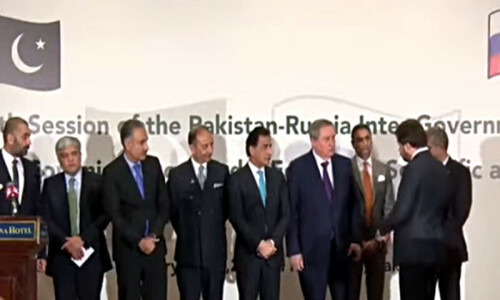
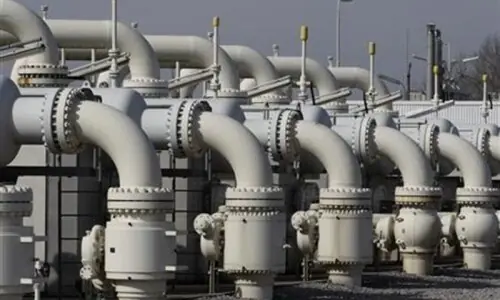
The ‘conceptual agreements’ reached between Pakistan and Russia for the supply of Russian crude oil on Friday signify the first tangible step towards bilateral cooperation in oil trade. If everything goes according to plan, with the key issues of insurance, transportation, volume and payment mechanism being addressed, a final agreement is expected to be concluded by late March, giving an opportunity to Pakistan to buy Russian crude at discounted rates.
The two sides have agreed in principle that the payment can be made in the “currencies of friendly countries”, though the issue is still being thrashed out.
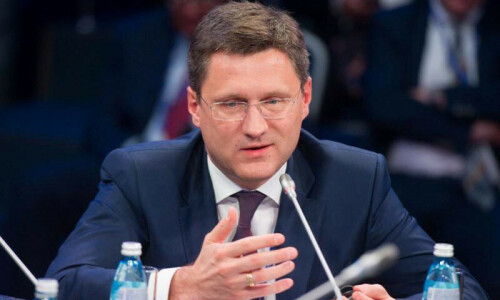
Facing a dollar crunch, Pakistan may use the Chinese yuan to pay for its purchases once the supplies begin. Pakistani officials claim that all issues were sorted out during Russian Energy Minister Nikolay Shulginov’s visit for an intergovernmental commission meeting, while the Russians say that matters are “in the final stage of agreement”.
Once a “consensus on the technical specification [is] achieved, the oil and gas trade transactions will be structured in a way it has mutual benefit for both countries”, said a joint statement.
Energy accounts for the largest portion of Pakistan’s imports, and cheaper oil from Russia will help somewhat lower the burgeoning trade deficit at the heart of our balance-of-payments crisis that has seen foreign currency stocks deplete to $4.3bn from over $17bn in the last one year. Islamabad plans to procure at least 35pc of its annual crude oil imports of 70m barrels from Russia if the agreement is finalised and oil supplies begin. Considering the Western cap of $60 a barrel on Russian crude, imposed to deplete Moscow’s oil cash flow because of the Ukraine war, Pakistan could save half a billion to a billion dollars annually on its overall oil imports depending on the price discount offered on top of the Western cap, freight and other costs, and import volumes. India has taken full advantage of the discounted Russian oil, which made up 15pc of its total oil imports last year. That would be a significant relief for a country on the brink of default.
It may appear far-fetched, but some industry sources feel that the EU’s plan to also prohibit European firms from insuring, shipping or trading Russian crude anywhere in the world — unless the oil is sold at a price below the cap set by the West — could throw a spanner in the works if Moscow refuses to sell oil to Pakistan at or below the suppressed rate. But that is in the future. For now, the government should follow up quickly on its plans to boost oil and gas trade with Russia. If India can get its way around Western sanctions against Moscow, Pakistan should be able to do so too if the need arises.
Published in Dawn, January 22nd, 2023