Nepal’s ‘fierce’ ex-guerrilla chief becomes new prime minister


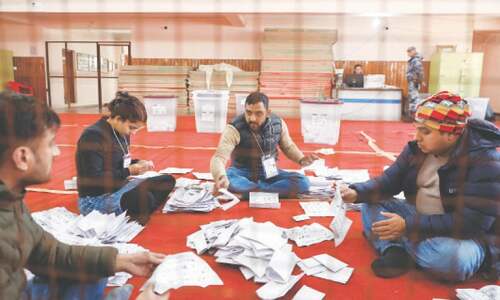
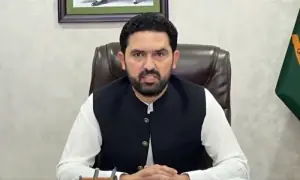
A former Maoist guerrilla who led a decade-long insurgency against Nepal’s Hindu monarchy was on Sunday appointed prime minister for a third time, in alliance with the main opposition after last month’s election returned a hung parliament.
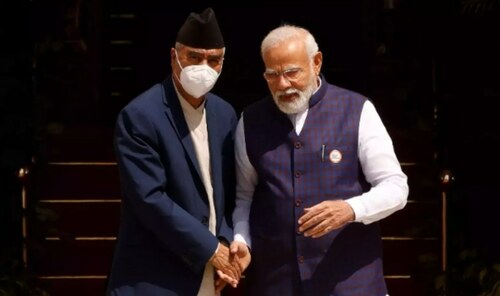
Pushpa Kamal Dahal, who still goes by his nom de guerre Prachanda — meaning “terrible” or “fierce” will head the new government for the first half of the five-year term with the support of the opposition Communist Unified Marxist-Leninist (UML) party and some other smaller groups, party officials said.
“He has been appointed and commands the support of a big majority of parliament,” Tika Dhakal, an aide to President Bidhya Devi Bhandari told Reuters.
Prachanda, who replaces Sher Bahadur Deuba of the Nepali Congress party, will step down in 2025, making way for the UML to take over the office, local media reported.
“This is the understanding. Remaining work of distribution of key other posts and ministries is still to be worked out,” Dev Gurung, the general secretary of Prachanda’s Maoist Centre party told Reuters after a meeting of the new coalition.
The new coalition comes to power hours after Prachanda, 68, surprisingly walked out of the ruling alliance led by Deuba of the Nepali Congress party. Deuba refused to back Prachanda for the prime minister’s job.
Deuba and Prachanda had both campaigned in the November election pledging to keep the old alliance intact for several years.
Prachanda’s Maoist Centre party won 32 seats in the 275-member House of Representatives. The UML has 78 seats, and the rest, required for the 138-majority, will be controlled by smaller groups.
The Nepali Congress party will be the main opposition controlling 89 seats. Analysts said Prachanda was unlikely to provide the country with stability due to many coalition partners. He also faces serious economic challenges.
Inflation is over eight per cent, the highest in six years. Nepal, tucked between China and India, also faces dwindling foreign exchange reserves, with an increasing dependence on imports of basic goods.
“It is unlikely for the economy to grow as political instability will spook investment and businesses,” former central bank governor Deependra Bahadur Kshetri told Reuters.
Nepal has seen 10 government changes since 2008 when the 239-year-old monarchy was abolished.