9
9

THAT the government is likely to soon take significant measures to fill the gap in its revenues due to shrinking imports during the first four months of the current fiscal year was expected. A report suggests that the finance ministry is considering different options shared by the tax authorities to bridge the shortfall in customs duty and sales tax at the import stage. Last year, the share of import taxes was around 52pc, which has come down to 45pc over the first four months of the present financial year. The revenue hole is projected to grow to Rs100bn because of the compression of imports to reduce the trade deficit and manage the current account gap if new measures are not taken. The increase in import taxes is also crucial to achieve the tax-to-GDP target of 9.5pc for the current fiscal year, hold down the overall fiscal deficit and produce primary surplus as required under the deal with the IMF. Some reports indicate that the IMF has already asked the authorities to implement measures to raise an additional Rs600bn in taxes.
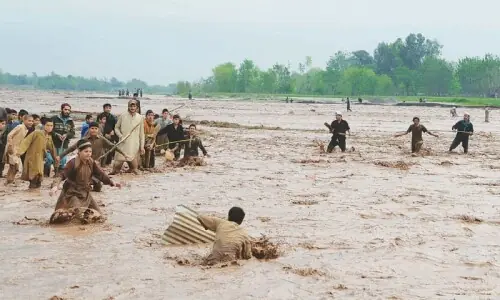
The government is also planning to charge 17pc sales tax on petroleum products as agreed with the IMF. Unlike previously, the IMF is now exerting massive pressure on Islamabad to meet the programme targets despite the flood devastation. Even a small cut in the petroleum levy by Finance Minister Ishaq Dar to reduce petrol prices didn’t sit well with the Fund. The increase in taxes is also necessitated by a much slower growth of 12pc in overall revenues when compared to the 28pc spike in expenditure, mainly due to the surge in defence-related expense and debt payments in the first quarter of the present fiscal. The current expenditure has increased at a faster pace of 36pc. Thus, the federal budget deficit has swelled to 1.3pc (1.026tr) of GDP. If this situation continues and the gap between revenues and expenditure further rises, it will not only widen the targeted budget deficit of 4.5pc but will also make it impossible to attain primary surplus as agreed with the Fund. The government’s budget is likely to come under more pressure and the pace of expenditure growth likely to surge drastically as the administration moves to undertake the rehabilitation of the flood-affected people and reconstruct damaged infrastructure. In the absence of any meaningful foreign assistance, we will have to rely on our own resources.
Published in Dawn, November 7th, 2022