ISLAMABAD: Democracy in Pakistan faces a number of threats but also enjoys widespread public support. However, any threat to democracy is a threat to Pakistan.
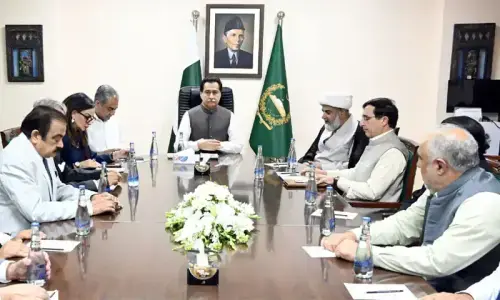
This was stated at a Pakistan Institute of Legislative Development and Transparency (Pildat)’s roundtable discussion on International Day of Democracy held to discuss potential threats facing democracy in Pakistan.
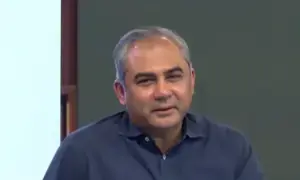
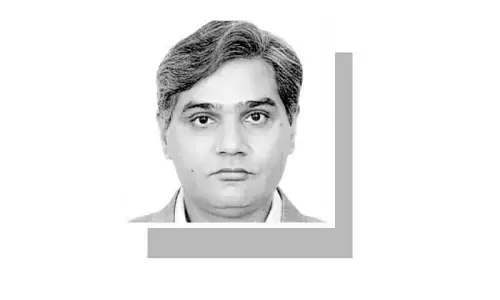
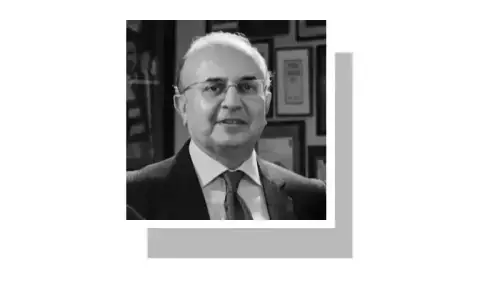
The speakers were Bilal Gilani, Executive Director Gallup Pakistan, Ammar Ali Jan, academician and activist, and Dr Syed Akbar Zaidi, Executive Director IBA.
Pildat President Ahmed Bilal Mehboob started the discourse and Aasiya Riaz moderated the discussion.
Presenting an overview on what does national polling data suggest about Pakistani citizens’ views on democracy, Bilal Gilani said three in five Pakistanis hold the opinion that democracy is better than all other political systems.
“A majority of Pakistanis also believe that freedom of speech, free elections and equal rights are present in the country. Even though a majority (63pc) are confident that the civilian government can govern the country, a large percentage does not have confidence in their economic management and law enforcement and in reducing corruption,” he said.
When asked, people still show high support for military and technocratic governments, he said, adding increasing turnout in elections showed greater trust in the democratic process.
“Trust in judiciary is also on the rise. Public perception of politicians has not improved and 81pc of Pakistanis believe that people enter politics for gains in power and influence, which is a threat to democracy,” Mr Gilani said.
Avenues for expression of the will of the people are necessary for democracy, said Dr Ammar Ali Jan. Unlike the Arab world, democracy has been part of the conversation in the region since the 19th century where democracy was acknowledged as a preferred system but was never made available until people were fully ready.
“The contradiction is that state believed it had to prepare citizens for democracy. The same colonial mindset has continued in Pakistan. The country has been part of the war calculus since 19th century. Since political economy is so intertwined with conflict that full democracy is never allowed,” he said.
Dr Akbar Zaidi said that threats to democracy were no longer potential but were very real. He said he has always opposed the role of military in politics or commercial spheres of the country on principle.
Published in Dawn, September 16th, 2022