0
0

MANSEHRA: Jamiat Ulema-i-Islam-Fazl MNA and federal preliminary secretary for religious Affairs and inter-faith harmony Afreen Khan on Friday complained that both federal and provincial governments had ignored flood victims in Kohistan region.
“The flood-hit Kohistan residents are dying of waterborne diseases and from hunger but unfortunately, both the federal and provincial governments have yet to come to their help,” the lawmaker told reporters here.
Mr Afreen, the only MNA for Upper Kohistan, Lower Kohistan and Kolai-Palas districts, said four of the eight local tehsils were worse hit by the monsoon disaster and the situation was grim there due to the government’s apathy.
“Only the Pakistan Army airdropped food packages in far-off area, which continue to be cut off from the rest of the region. Scale of the calamity is large with the residents still without food and other essential goods,” he said.
The MNA said though the prime minister and chief minister made short visits to Lower Kohistan, relief and rehabilitation activities had yet to begin in the district.
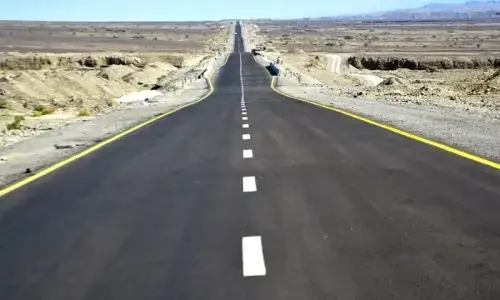
“The prime minister announced just Rs100 million for Dubair, Kandia, Suo and Ranowali Bank tehsils but the amount is too little to even blacktop a 10km road,” he said.
He said he had spoken to party leader and communications minister Asad Mahmood, who promised to take up the matter with the prime minister.
Meanwhile, a health department nutritionist has asked lady health workers and their supervisors to educate people about the importance of balanced diets for women and children to prevent diseases.
“In our country, half of the women and their children suffer from micro-malnutrition and environmental and other diseases,” Mubashir Sharif of a fortification programme told a health department seminar here on Friday.
Lady health workers, lady health supervisors and medical experts from across the district attended the event.
Mr Sharif said most women and children suffered from vitamins A and D and iron deficiency. He said the mother-child mortality ratio was much higher in the country compared with those in Europe and other developed countries.
Published in Dawn, September 10th, 2022