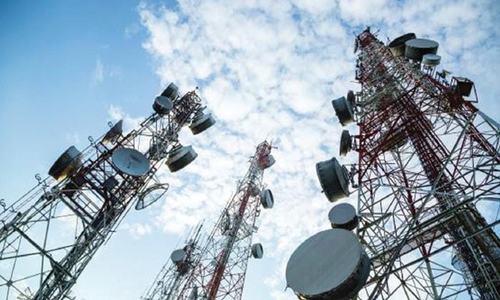
ISLAMABAD: The IT ministry has directed telecom companies to implement national roaming by the end of this year so that citizens in areas with patchy network coverage can make calls and send messages using any cellular service.
National roaming — to be implemented on motorways, highways and some tourist spots through the Universal Service Fund (USF) — will help users of one network (for example, Ufone) to avail the cellular services of another network (such as Telenor or Jazz). Simply put, you’ll be able to use services of another network if you go out of coverage.
“The telcos have been directed to settle the framework and charges agreement for national roaming with the PTA to implement it before the end of 2022,” IT Minister Syed Aminul Haque said.
He said national roaming would be essential on highways, motorways and at some tourist spots because no company had full coverage at such places.
However, telecom companies have yet to agree on call rates they would charge consumers and share with each other.
Meanwhile, national roaming has been made mandatory for all USF projects on motorways and some isolated spots with patchy network coverage.
The USF works under the IT ministry to develop telecommunication services in unserved and underserved areas. It has no government funding and contributions come from 1.5 per cent of the adjusted revenues of telecom operators.
A senior USF official said all technical arrangements had been made to implement national roaming, including security permissions, but the four telecom companies had yet to finalise the rate of national roaming calls.
The official said it had been proposed that the rate of national roaming should be 1.25 or 1.5 times higher than normal rates.
“As a result of national roaming, almost all the highways and motorways will get connected, as not every single company is required to establish its base along the complete route,” the official said.
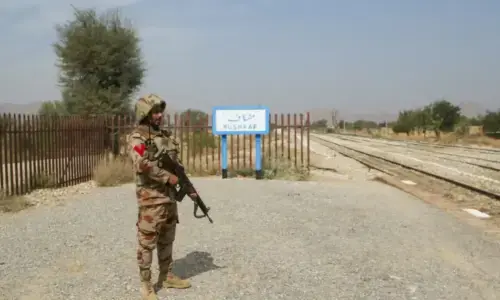
Currently, the USF projects are under way at M3 and M5 motorways, Coastal Highway and National Highway 50 and 70.
The USF has estimated that out of around 13,000 kilometres of highways and motorways in the country, some 8,000km were not connected with telecom and broadband services.
According to its initial report, Balochistan paints a grim picture, as only 243km of its 4,129km highway network is served while 3,886km is unserved.
Published in Dawn, August 5th, 2022