1
1
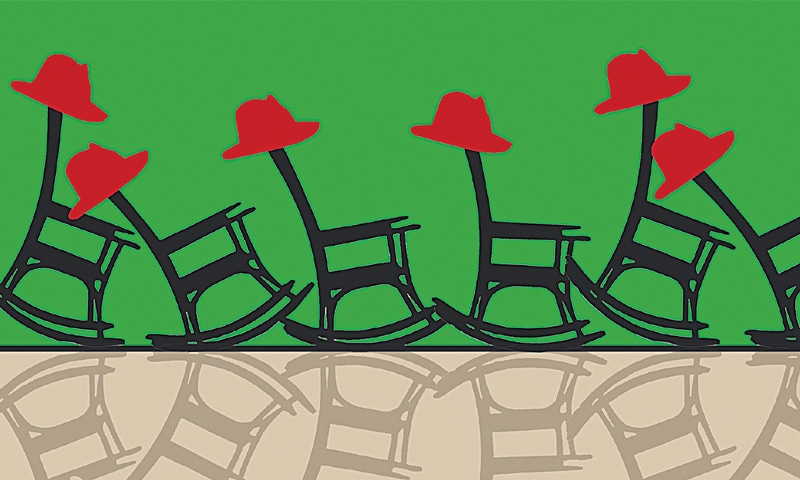

FOR a large segment of the country’s population, being inducted into the prestigious civil service is the panacea for personal and social progress of individuals and families. In our country where rule of law is weak and where lives are lived in line with the cut-throat principle of the survival of the fittest, the civil service, besides offering prestige, offers a stable and secure employment with great perks and privileges at the expense of the taxpayers.
The complicated Central Superior Services (CSS) exam, meanwhile, elevates this sense of exclusivity of the bureaucrats, and the perceived social admiration of them. All this, however, has a bad influence on the overall relationship of students, professionals and academia with the state. The aim of life shifts from being a productive and learned citizen to becoming a CSS officer, and the students go to great lengths to achieve that status.
Graduate students, who are ideally supposed to explore diverse materials and experiences, spend their most impactful years studying CSS reference books and ‘recommended’ readings to pass the exam quite a few years before they have to actually appear in it.
Many of my own peers in the Political Science department at the Government College University (GCU), Lahore, read not to enhance their analytical or literary capabilities, but to become glorified CSS officers. This results in an erosion of the sense of service among those who are inducted into the civil service. They get used to the idea of finding ways to advance their own academic and professional goals, and in the process turn into power-hungry bureaucrats whom we like to blame for many of the country’s ills.
All this has deprived our country of good researchers, scholars, educationists, entrepreneurs, etc, while also serving to decline the youth’s productivity in uplifting society.
To address this, we should make an effort to develop and mend the mindset of our young students, and to work towards creating a conducive environment for them to thrive in by upholding the rule of law and the principles of social equality.
M. Ibrar Zafar
Lahore
Published in Dawn, June 19th, 2022