KARACHI: Foodpanda Pakistan is shifting away from its grow-at-all-costs business model amid a worldwide slowdown in venture-capitalist (VC) funding for ecommerce startups.
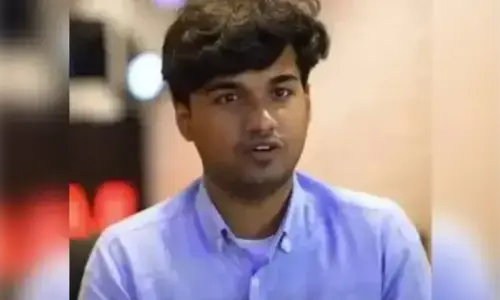
Speaking to Dawn in a recent interview, Foodpanda Pakistan CEO Muntaqa Peracha said the company with a dominant market share in the last-mile delivery segment is now actively seeking the “high-quality consumer” who isn’t “focused on arbitrage”.
“We didn’t historically differentiate between low- and high-ticket consumers. We began making that differentiation last year. We’re looking for sustainable growth now,” said Mr Peracha.
Like the rest of the world, Pakistan’s startup ecosystem has been in financial turmoil of late. Major players, including Careem and Swvl, have laid off employees, rolled back services and even suspended operations in recent weeks citing the global recession.
The VC–backed spending spree aimed at acquiring new customers at all costs seems to have ended at once. VCs who gladly wrote blank cheques for startups until recently in the name of customer acquisition are now looking for early breakevens. Revenue growth doesn’t cut it anymore as investors demand positive bottom lines or at least a sure-shot path to profitability.
Mr Peracha said Berlin-based Delivery Hero, which is the holding company of Foodpanda Pakistan, foresaw the upcoming tumults in the global startup ecosystem a year in advance. “We saw this coming… and took some measures.”
As the subsidiary of a publicly traded company, Foodpanda Pakistan must respond to changing market dynamics a lot quicker than VC-backed, cash-burning startups operating outside of the glare of public scrutiny, he said. “We’re now seeking the value-based consumer who wants convenience, genuine products and a trustful payment mechanism,” he added.
To help consumers make “smarter choices” – which means a higher ticket size in plain English – the company has recently added several new verticals like home chefs, Pandamart and grocery shops, he said.
The holding company hasn’t turned in a profit yet, although its top line grew almost 137 per cent in 2021. The financial statements of Delivery Hero don’t show country-wise performance breakdown.
The Pakistani subsidiary is also in the “customer acquisition” phase, according to its CEO. “We’re going to hit breakeven next year,” he said.
“We’re in the top three to four markets out of the 11 Asian countries in which Foodpanda operates,” he said, without giving specific numbers.
The company’s gross merchandise value (GMV) — a widely used ecommerce indicator that measures the value of products processed for sale by an app or website — is “north of Rs40 billion” a year. This makes the company the overwhelmingly dominant player in the country’s food delivery business.
“From an ecommerce perspective, we’re probably generating the highest GMV in Pakistan,” he said.
Responding to a question about the impact of a substantial increase in fuel prices that’ll cause higher inflation in the immediate future, the Foodpanda Pakistan CEO said the average number of orders has “slightly” gone down recently.
“There’s a very small impact on demand from the consumer perspective. More people are now making combined orders [to save delivery fees] as opposed to ordering food separately from different restaurants,” he said.
It means the company has been delivering a smaller number of orders of a higher average ticket size in recent weeks. “There was [GMV] growth in April over March, and in May over April,” he said.
Does Foodpanda Pakistan have a bad-rep problem? It seems to take a lot of flak on social media for its alleged mistreatment of 20,000-plus riders who make deliveries across Pakistan on any given day.
“Good news isn’t newsworthy. But negatives spread like a wildfire,” he said. A typical Foodpanda Pakistan rider who works eight hours a day for six weeks a day earns Rs38,000-40,000 a month quite easily, he insists. “It’s one of our principles that our riders should be able to earn fair living wages, not just minimum wages,” he said, adding that their payouts have already gone up in proportion to the recent rise in fuel prices.
“Our riders wouldn’t stick with us for years if we didn’t take care of them,” he said.
Published in Dawn, June 18th, 2022