0
0

KABUL: Two bomb blasts aboard separate minibuses killed at least nine people on Thursday in Afghanistan’s Mazar-i-Sharif, police said, a week after a deadly explosion rocked a Shia mosque in the northern city.
The number of violent public attacks across Afghanistan has fallen since the Taliban returned to power last August, but the militant Islamic State group has continued to target Shias.
A string of deadly bombings targeting members of the minority communities has convulsed the country in the past two weeks of the fasting month of Ramazan, killing and wounding dozens. Thursday’s blasts occurred within minutes of each other in different districts of Mazar-i-Sharif as commuters were heading home to break their dawn-to-dusk Ramazan fast, Balkh provincial police spokesman Asif Waziri said.
“The targets appear to be Shia passengers,” he said, adding 13 people were wounded in the blasts.
“The enemies of Afghanistan are creating tension and division among our people.” No group has so far claimed responsibility for the bombings.
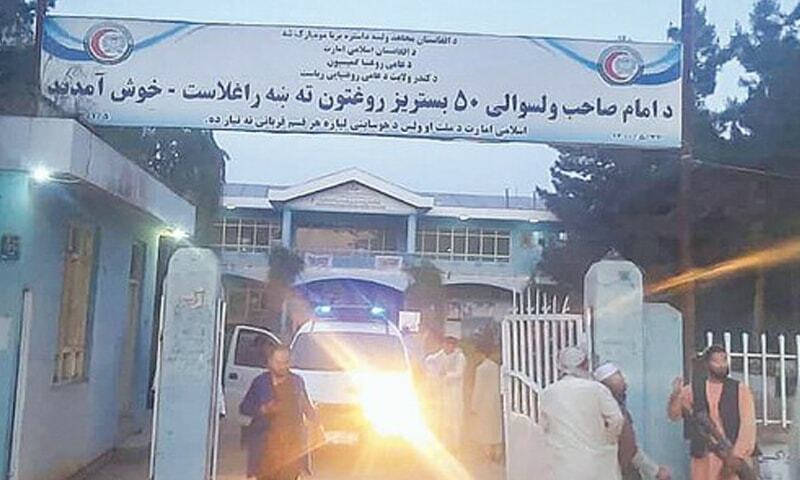
Images posted on social media showed one minibus engulfed in fire, while the other was mangled with Taliban fighters transporting victims from the vehicle to hospitals.
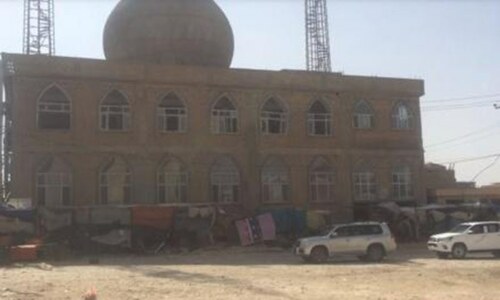
The blasts came a week after a deadly bomb attack at a mosque in Mazar-i-Sharif killed at least 12 worshippers and wounded scores more.
That explosion was followed a day later by a separate bomb attack at another mosque in the northern city of Kunduz targeting the minority Sufi community.
It killed at least 36 people during Friday prayers.
In another attack, also targeting Shias, two bombs detonated at a school in Kabul, killing six students.
The jihadist IS claimed the mosque attack in Mazar-i-Sharif, but no group has so far taken responsibility for the bombing in Kunduz and at the Kabul school. Shia Afghans, who are mostly from the Hazara community, make up between 10 and 20 percent of Afghanistan’s population of 38 million.
The regional branch of IS in Afghanistan has repeatedly targeted Shias and minorities such as Sufis, who follow a mystical branch of Islam.Taliban officials insist their forces have defeated IS, but analysts say the jihadist group remains a key security challenge.
Afghan government spokesman Zabihullah Mujahid said on Thursday that several arrests had been made in connection with recent attacks.
“These attacks targeted places that did not have enough security like mosques and a school, but now we have stepped up security in such places,” he said.
Published in Dawn, April 29th, 2022