Pandemic pushed 500 million people into poverty: WHO

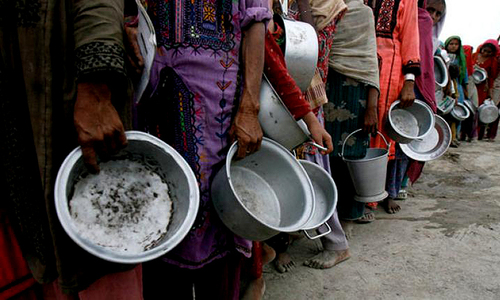
GENEVA/VIENNA: More than half a billion (500 million) people globally were pushed into extreme poverty last year as they paid for health costs out of their own pockets during the height of the Covid-19 pandemic, the World Health Organisation and the World Bank said on Sunday.
The pandemic disrupted health services globally and triggered the worst economic crisis since the 1930s, making it even more difficult for people to pay for healthcare, according to a joint statement from both the organisations.
“All governments must immediately resume and accelerate efforts to ensure every one of their citizens can access health services without fear of the financial consequences,” WHO Director General Tedros Adhanom Ghebreyesus said.
Tedros urged governments to increase their focus on healthcare systems and stay on course towards universal health coverage, which the WHO defines as everyone getting access to health services they need without financial hardship.
Healthcare is a major political issue in the United States, one of the few industrialised countries that does not have universal cover for its citizens.
Globally, the pandemic made things worse and immunisation coverage dropped for the first time in ten years, with deaths from tuberculosis and malaria increasing.
“Within a constrained fiscal space, governments will have to make tough choices to protect and increase health budgets,” Juan Pablo Uribe, global director for health, nutrition and population at World Bank, said. Meanwhile, Austria ended lockdown restrictions for vaccinated people across most of the country on Sunday, three weeks after reimposing strict rules to combat a rising wave of coronavirus infections.
The rules, which vary by region within the country, largely allow for the reopening of theaters, museums and other cultural and entertainment venues on Sunday. Shops will follow on Monday. Some regions are reopening restaurants and hotels on Sunday, while others will wait until later in the month. In all cases, there will be an 11pm curfew for restaurants, and masks will still be required on public transportation and inside stores and public spaces.
Chancellor Karl Nehammer last week called the move an opening with a seatbelt, giving each of Austria’s nine regions the ability to loosen or tighten restrictions based on the local situation.
Unvaccinated people will still be subject to the lockdown restrictions and should remain at home for all but a handful of specific reasons, like buying groceries, going to the doctor or exercising.
Published in Dawn, December 13th, 2021