WHO flags global risk from Omicron as states tighten restrictions



GENEVA: The WHO said on Monday the Omicron coronavirus variant carried a very high risk of infection surges as more countries closed their borders and reported cases of the new strain.
The emergence of Omicron has also revived worries about the economic recovery from the two-year pandemic. Battered stocks and oil prices recovered somewhat after a day of panic last week, however, as hopes grew that the variant might prove to be milder than initially feared.
The World Health Organisation advised its 194 member nations that any surge in infections could have severe consequences, but said no deaths had been linked to the new variant.
An infectious disease expert from South Africa, where scientists first identified Omicron last week, said it was too early to say whether symptoms were more severe than previous variants, but it did appear to be more transmissible.
Professor Salim Abdool Karim also said existing Covid-19 vaccines are probably effective at stopping Omicron from causing severe illness. Scientists have said it could take weeks to understand the severity of Omicron.
Fears the new variant might be resistant to vaccines helped wipe roughly $2 trillion off global stock markets on Friday but markets settled down again on Monday, even after Japan said it would close its borders to foreigners.
Other countries also imposed travel and other restrictions, worried that Omicron could spread fast even among people with immunity from vaccination or prior infection.
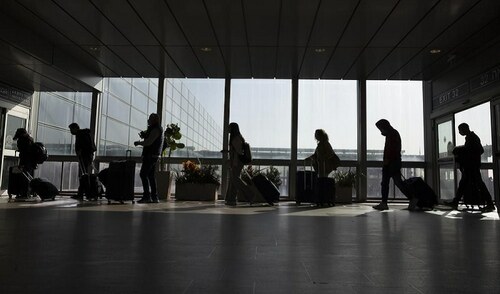
Travellers stranded at Johannesburg international airport said they felt “helpless” as flights from South Africa were cancelled.
“We don’t know what to do, we are just waiting here, we don’t know how they will help, but they just told us they can’t help us,” said Ntabiseng Kabeli, a stranded passenger from Lesotho.
WHO chief Tedros Adhanom Ghebreyesus said Omicron’s emergence showed how “perilous and precarious” the situation was.
Portugal found 13 cases of the variant at a Lisbon football club. Scotland and Austria also reported their first cases. Japan described its ban on arrivals by foreigners as precautionary.
“These are temporary, exceptional measures that we are taking for safety’s sake, until there is clearer information about the Omicron variant,” Prime Minister Fumio Kishida said.
Published in Dawn, November 30th, 2021