Vaccinating adults more urgent than children: WHO


ISLAMABAD: As Pakistan vaccinates over six million children, the World Health Organisation (WHO) has said it is less urgent to vaccinate youngsters than the elderly.
According to a statement, the WHO, with the support of Strategic Advisory Group of Experts (SAGE) on Immunisation and its Covid-19 Vaccines Working Group, is reviewing the emerging evidence on the need for and timing of vaccinating children and adolescents with the currently available Covid-19 vaccines that have received Emergency Use Listing (EUL). The SAGE is continuously reviewing the literature and has reached out to vaccine manufacturers, the research community and member states to obtain the most complete and recent data on the issue.
Although a majority of the vaccines have only been approved for administration to adults aged 18 years and above, an increasing number of the shots are now being authorised for children. Some countries, including Pakistan, have accorded emergency-use authorisation to the vaccines developed by Pfizer and Moderna for adolescents aged between 12 and 17 years.
Official says ample quantity of vaccine available
Earlier this month, a stringent regulatory authority approved the Pfizer vaccine for children aged five to 11 years. Trials in children as young as three years old were completed for two inactivated vaccines (Sinovac-CoronaVac and BBIBP-CorV) and they were approved by Chinese authorities for children aged three to 17 years; although these vaccines have received EUL for adults, they have not yet been approved for children. Several Covid-19 vaccines are undergoing trials in younger age groups (including as young as six months of age), but results have not yet been published.
The WHO stated that children and adolescents usually demonstrated fewer and milder symptoms of infection than adults and were less likely than adults to experience severe Covid-19.
“Countries should consider the individual and population benefits of immunising children and adolescents in their specific epidemiological and social context when developing their Covid-19 immunisation policies and programmes. As children and adolescents tend to have milder disease compared to adults, unless they are in a group at higher risk of severe Covid-19, it is less urgent to vaccinate them than older people, those with chronic health conditions and health workers,” it added.
“There are benefits of vaccinating children and adolescents that go beyond the direct health benefits. Vaccination that decreases Covid-19 transmission in this age group may reduce transmission from children and adolescents to adults, and may help reduce the need for mitigation measures in schools. Minimising disruptions to education for children and maintenance of their overall well-being, health and safety are important considerations.”
The UN health body suggested countries’ strategies related to Covid-19 control should facilitate children’s participation in education and other aspects of social life, and minimise school closures, even without vaccinating children and adolescents.
“As a matter of global equity, as long as many parts of the world are facing extreme vaccine shortages, countries that have achieved high vaccine coverage in their high-risk populations should prioritise global sharing of Covid-19 vaccines through the Covax facility before proceeding to vaccination of children and adolescents who are at low risk for severe disease. It is of utmost importance for children to continue to receive the recommended childhood vaccines for other infectious diseases,” the statement read.
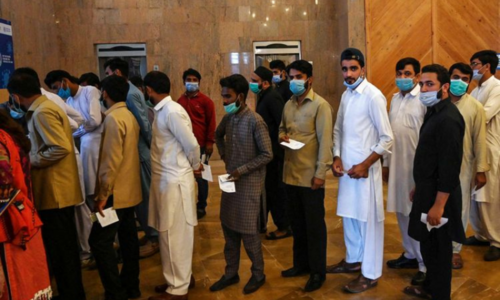
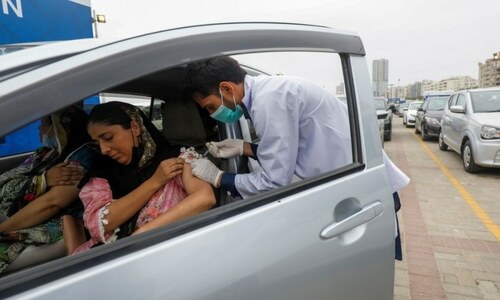
Meanwhile, an official of the Ministry of National Health Services, requesting not to be quoted, said over six million children aged 12 to 17 years had been vaccinated.
“We have an ample quantity of vaccines so we are vaccinating both adults and children. Vaccinating children will also benefit the elderly because it will decrease the chances of transmission of the infection from children to older people,” he added.
The National Command and Operation Centre data showed that 350 infections and nine deaths were reported in the past 24 hours. The number of active cases has fallen to 14,188 as compared to around 90,000 in August.
Published in Dawn, November 25th, 2021