Time, resources of citizens wasted due to bureaucratic hurdles


 1
1

ISLAMABAD: While time has become money in the busy world and it has become difficult to travel due to continuously increasing fuel cost, a study has claimed that precious time and resources of the citizens get wasted due to bureaucratic hurdles in Islamabad.
It has been suggested that the issue can be addressed by digitisation of processes such as making online payments rather than sending people to banks. Moreover, the Capital Development Authority (CDA) should verify documents by itself rather than demanding the attested copy of citizens’ computerised national identity cards (CNICs).
The District Health Office rather than forcing people for second and third visit should receive online applications for opening of pharmacies.
The study, ‘Sludge series’ conducted by Pakistan Institute of Development Economics (PIDE) observed that government offices unnecessarily push people to keep visiting their offices for small issues due to which both time and resources are wasted.
Study says issue can be addressed by digitisation of processes
The ‘sludge series’ specifically focuses on friction and delays due to over-regulations and bureaucratic red tape which impose a heavy cost on the economy. While target is to report over 50 activities in the sludge series, so far 11 have been completed.
The findings of the reports suggest that it takes the Federal Public Service Commission over two years to complete the process of recruitment of teachers in colleges.
An internet service provider has to spend eight months seeking permission for laying a cable for providing internet in residential areas of Islamabad.
Seeking permission to set up a school and a pharmacy in the capital, respectively, involve nine and seven months. Seeking a licence for a small hotel also requires seven months. Getting a trade licence to open a retail outlet takes over five months, opening a travel agency over three months.
It also takes three months to get agricultural credit and two months to get an electricity connection. The government takes 36 days to complete a small but important task like procurement of wheat from farmers under the support price mechanism.
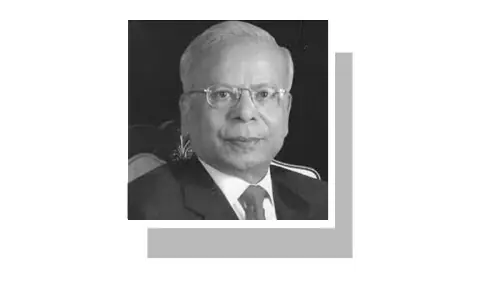
PIDE Vice Chancellor Dr Nadeemul Haq while talking to Dawn said unfortunately people have been stuck into getting NOCs and attestation of documents due to which their time and resources were wasted.
“This discourages investments, lowers productivity and, therefore, constrains the GDP growth. It can be used to seek rent which again constrains economic activity and GDP growth. Sludge also imposes psychological costs upon individuals in the form of humiliation faced in going through processes and the frustration due to delays,” he said.
Mr Haq said the information used in the reports had been collected through multiple interactions and in-depth interviews with stakeholders, including concerned government agencies and private entities.
“The reports are being shared with the government agencies, especially the concerned ones and other stakeholders. The reports are also available on the website of PIDE,” he said.
The report stated that there were two primary sources of sludge involved in setting up a pharmacy in Islamabad: getting verification of a B-Pharmacy degree of the applicant from the Pakistan Medical Commission and the drug inspector’s visit to the site to inspect the shop.
These two steps together take more than two months. Moreover, a citizen of Pakistan can do business in any part of the country; therefore, asking for a domicile is unnecessary.
Published in Dawn, November 5th, 2021