Top Afghan TV network stays on-air despite fear of Taliban



As Taliban fighters entered Kabul on the evening of August 15, executives at Afghanistan's biggest independent TV network had a tough decision to make: stay on-air or go dark.
Tolo kept broadcasting, but like the rest of the country's TV and radio stations, it now faces a tough and uncertain future under the Taliban, whose return has sent fear coursing through the media.
The group killed and threatened journalists throughout its 20-year insurgency.
During their 1996-2001 regime, TV and most entertainment was banned, and there was no media to speak of.
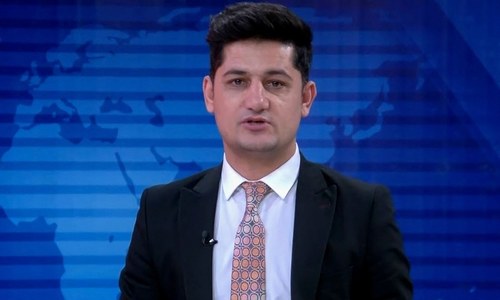
The Taliban takeover “put us in a very, very difficult situation ... to continue our work or not”, Lotfullah Najafizada, the director of Tolo News, told AFP in a phone interview.
“As a 24/7 news operation, we didn't even have one hour to take a break and rethink.”
Tolo stayed on because it had a duty to cover the news, he said, and also because it would have been an “almost impossible” task to negotiate a resumption with the Taliban had the network shut down.
The Taliban leadership has asked Afghan media to operate as usual.
One official even sat down for an interview with a woman host on Tolo News, keen to convince people that the Taliban will be softer this time around.
But many Afghans, including in the media, are not convinced.
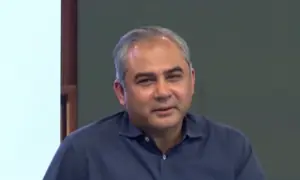
“We're scared, I'll be honest with you, we are nervous,” Saad Mohseni, CEO of Tolo's parent company Moby Group, told the Committee to Protect Journalists (CPJ) from Dubai.
“Everyone is having sleepless nights, but what the viewer is experiencing is not that different.”
'My family will be threatened'
The Taliban victory has plunged Afghanistan's independent media into crisis.
Around 100 privately owned outlets have suspended operations, according to watchdog Reporters Without Borders (RSF).
The Pajhwok news agency said many shut down because of the financial crunch caused by the Taliban takeover.
It has also forced many women out of the industry.
RSF said only 76 women journalists are still working for outlets in the Afghan capital — a huge drop from the 700 reported last year.
Outside Kabul, it added, “most women journalists have been forced to stop working”.
There have also been reports of intimidation, harassment and violence.
Such threats have forced scores of Afghan journalists to flee — including Beheshta Arghand, who left days after she conducted the ground-breaking Taliban interview on Tolo News.
“Because of me, my family will be threatened by the Taliban,” she told diplomats in Qatar on Wednesday.
Read: Afghan news anchor made history, then had to leave it behind
Cultural revolution
The cataclysmic changes follow two decades of explosive growth for independent Afghan media.
After the Taliban were toppled in 2001, dozens of TV channels and more than 160 radio stations were set up with Western assistance and private investment.
And Moby Group's flagship Tolo TV and Tolo News — the most-watched channels in Afghanistan — embodied that cultural revolution.
They brought programming to Afghans that would have been unthinkable under the Taliban, from an “American Idol“-style singing competition to music videos, soap operas and even Afghanistan's first presidential election debates.
Most dramatically, Tolo and other Afghan networks gave space and opportunities to women, who were shut out from public life, education and workplaces by the Taliban.
Now, there are fears of a rollback.
Tolo's Najafizada told AFP the entertainment arm of the company has already pulled back on some content.
Brain drain
The Taliban have yet to issue any formal directives to the media, and outlets have mainly relied on self-censorship to avoid upsetting the group.
Some are also planning for contingencies.
The Moby Group is considering options to operate from overseas if there is a crackdown on Tolo.
CEO Mohseni has said orders such as a ban on women journalists or censorship would be a “red line”.
Meanwhile, the company is on a hiring spree to try and fill the gap left by the dozens of staff who left after the fall of Kabul.
“The sad thing is to lose this much capacity, to see a generation of people who we've invested in, who could have done so much for the country, being forced to leave,” Mohseni told the CPJ.
“This brain drain will take us another two decades to build that sort of capacity, sadly. “
Read: Notes from Afghanistan: Will independent journalism survive in the Taliban's shadow?