Sindh lawyers boycott courts over ad hoc judge controversy


 0
0

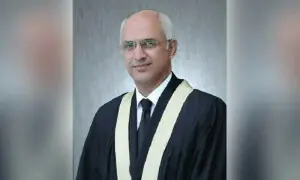
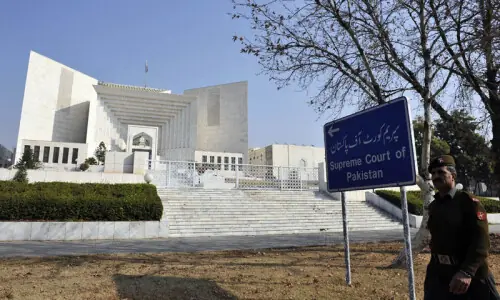
KARACHI: Lawyers boycotted legal proceedings in the superior and subordinate judiciary in the metropolis as well as Hyderabad on Tuesday in protest against the proposed appointment of Sindh High Court’s Chief Justice Ahmed Ali M. Shaikh as an ad hoc judge of the Supreme Court.
The lawyers’ leaders closed the entrances to the Sindh High Court, City Courts and Malir District Courts to dissuade their colleagues from appearing before the courts to plead their cases fixed for the day.
They also barred a large number of litigants from entering the courts’ premises, forcing them to return without attending the hearings of their cases.
Only the courts’ staffers were allowed access to the courtrooms.
At the SHC, lawyers holding placards chanted slogans against ignoring the seniority principle in elevation of high court judges to the Supreme Court and proposed ad hoc appointment of CJ Shaikh.
The absence of litigants and their counsel forced benches to discharge their boards and defer the cases fixed before them.
In the subordinate judiciary, the undertrial prisoners had to be taken back to the barracks without production before the courts.
The members of the Sindh High Court Bar Association, Karachi Bar Association and Malir District Bar Association gathered in the offices of the bar associations to discuss the issue of elevation of a junior judge of the high court to the apex court.
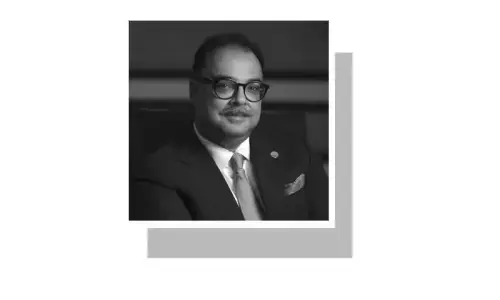
Speaking to the media, SHCBA president Salahuddin Ahmed reiterated the bar associations’ contention that the principle of seniority be followed in elevation and appointment of judges to the SC in letter and spirit.
He said at present there seemed to be no fixed criterion for the elevation of judges to the country’s top court, adding that the same should be evolved and all the stakeholders, particularly the bars across the country, as well as the principal law officers of the provincial and federal governments should also be taken on board in this regard.
Barrister Ahmed said that the procedure being currently adopted by the Judicial Commission of Pakistan for the elevation of the high courts’ judges to the SC would create distrust among judges of the superior judiciary about one another, besides tarnishing the image of the institution of the judiciary in the public and negatively impacting its functioning.
Published in Dawn, August 11th, 2021