Janikhel tribesmen end protest after release of four missing persons

The Janikhel tribesmen on Sunday called off the protest sit-in they had been staging in Khyber Pakhtunkhwa Bannu district for nearly a month after the authorities released four missing men of the Janikhel area, according to tribal elders and officials.
Bannu Division Commissioner Shaukat Ali Yousufzai confirmed the development, saying Janikhel tribesmen had decided to end their protest after successful negotiations with the local administration.
The commissioner told Dawn.com by phone that a jirga of the Ahmedzai Wazir tribe had held talks with the government on behalf of Janikhel protesters and both sides had reached an agreement.
He said the government had released the four missing persons as part of the agreement. However, he did not share the names, ages and other details of the released men.
"A seven-member jirga, comprising Ahmedzai Wazir tribesmen, will oversee the implementation of the accord and other issues between both the sides," he said, adding that another deal between the government and Janikhel tribesmen reached earlier in March, following protests over the killing of four boys belonging to the Janikhel tribe, would remain valid.
The development was also confirmed by a local resident present at the site of the protest on Miranshah Road in Bannu.
He said the protesters were returning to Janikhel town and intended to bury the body of slain tribal leader Malak Naseeb Khan, whose killing sparked the latest protest. He added that Khan's funeral would be held today (Sunday).
Khan was an active tribal leader and had been at the forefront of the sit-in staged by the tribesmen against the killing of the four teenage boys in the area. He was shot dead by gunmen in the area about a month ago.
The tribesmen had been protesting since then, refusing to bury the body until the killers were taken to task.
On June 23, they started a march towards Islamabad with the body to protest what they termed the police’s failure to arrest the culprits, and to demand action against militants in the area and the arrest of Khan's killers.
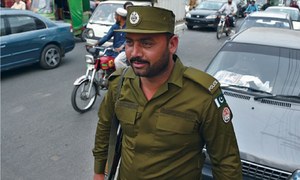
The march followed a violent clash as police intercepted them at Tochi Khan bridge, at a distance of about seven kilometres from Janikhel.
A man, identified as Wahid Khan, was killed during the clash and 24 others, including policemen, sustained injuries.
A protester, Latif Wazir, had told Dawn.com at the time that police had blocked their way and “used tear gas and baton-charged the participants to disperse them”, leading to a clash between the two sides.
Over 50 tribesmen were arrested following the clash, who have been also been released, said provincial transport minister Malik Shah Mohammad Khan on Saturday.