ISLAMABAD: Anti tobacco advocates have criticised the nomination of a parliamentarian, who have been actively defending tobacco industry, as member of the policy board of the Federal Board of Revenue (FBR).
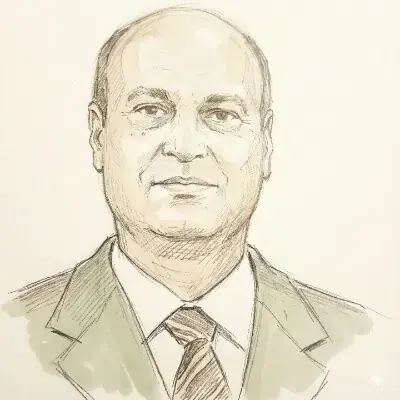
According to a document of Senate Secretariat, available with Dawn, earlier, Senator Mirza Mohammad Afridi was nominated by the Senate chairman as member of the FBR policy board. Since Senator Afridi was elected as Senate Deputy Chairman, therefore the Senate chairman nominated Senator Dilawar Khan as member of the policy board.
Anti-Tobacco Advocate Malik Imran, while talking to Dawn, said over the years Mr Dilawar openly supported the tobacco industry during meetings of the parliamentary committees.
“It is unfortunate that now the Senator has been nominated as the member of FBR’s policy board due to which he will be able to play role in formulation of policies in favour of tobacco industry,” he said.
Earlier, while addressing a press conference, Mr Imran said the tobacco industry engaged celebrities in their promotional tactics to encourage youngsters to initiate smoking.
“In Pakistan, celebrities like Fawad Khan and Waseem Akram, who are role models for our young generation and are followed by millions, are misguided by the tobacco industry for promoting tobacco,” he said.
He further said in the past, tobacco companies openly paid movie studios and stars to feature their products.
Tobacco and related industries have increasingly preyed on children and adolescents, engaging in advertising tactics like sponsorships and influencer marketing to target them directly that threaten their health.
SPARC Programme Manager Khalil Ahmed Dogar said there were 1.3 billion tobacco users worldwide. That number would be even larger if tobacco didn’t kill half of its users.
Every four seconds, tobacco takes another life. In Pakistan daily 1,200 children start smoking.
Decades of the tobacco industry’s deception and devious tactics have hooked generations of users to nicotine and tobacco, driving this global epidemic.
He said no actions were being taken by the law enforcement agencies on this violation.
In Pakistan, cigarettes are available at a much cheaper rate as compared to the South Asian region.
The World Bank recommends the government to ensure a rise of at least 30pc tax
on tobacco products yearly to surge the revenue and reduce overall consumption of tobacco.
Government must impose a tax on tobacco products to ascend the revenue, reduce the burden on health infrastructure and its affordability to the youth.
Meanwhile, former head of the Tobacco Control Cell Pakistan Dr Ziauddin Islam said the government should reduce the purchasing power of new smokers by increasing taxes on the tobacco.
He said total costs attributable to all smoking-related diseases and deaths in Pakistan cost the national exchequer over $3.85 billion annually while the tobacco industry’s total tax contribution is approximately just 20 percent of the smoking’s total cost.
Published in Dawn, May 21st, 2021