CWC politicisation threat to future disarmament efforts: diplomat



ISLAMABAD: Politicisation of Chemical Weapons Convention (CWC) could have serious implications for future disarmament efforts, warned a Pakistani diplomat at a webinar on the convention hosted by Centre for International Strategic Studies (CISS).
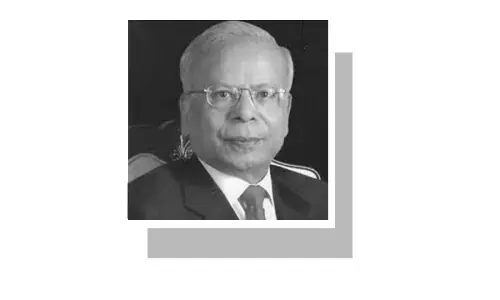
Director (Disarmament) at the Foreign Office Ali Sattar, according to a statement issued by the think tank on Friday, said: “Politicisation of Chemical Weapons Convention would undermine the credibility of the Organisation for the Prohibition of Chemical Weapon” — the implementing body of the convention.
Mr Sattar discussed cases of alleged use of chemical weapons in Syria; the purported poisoning of Russian opposition figure Alexei Navalny with Novichok nerve agent; and the addition of Central Nervous System Acting Agents to the Schedule 1 of CWC to underscore the growing politicisation of the convention.
He warned that compromising the credibility of CWC, which was seen as an ideal model for future disarmament treaties for being universal, would undermine future control initiatives.
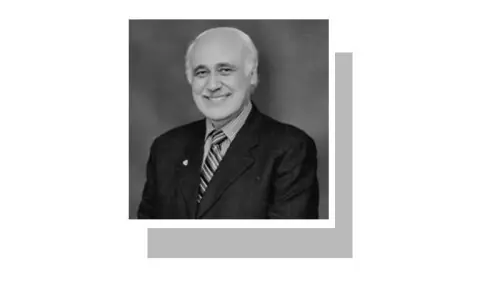
Director General of Strategic Export Control Division at Foreign Office Dr Zafar Ali spoke about Pakistan’s exports control legal framework covering CWC.
Call for balancing the responsible use of chemistry and strengthening moral backing against chemical weapons
Speaking about the challenges, he said the biggest issue was about striking a balance between the responsible use of chemistry and security; and preserving and strengthening the moral and public backing against chemical weapons and the support for the Convention.
Dr Ali, while referring to the Syrian instance, warned about the possibility of use of chemical weapons by non-state actors and in that case the issue of attribution of responsibility. He further pointed out that certain provisions of CWC had to be incorporated into domestic legislation by the countries that had ratified the Convention, but the absence of a deadline in this regard had resulted in slow progress on this count.
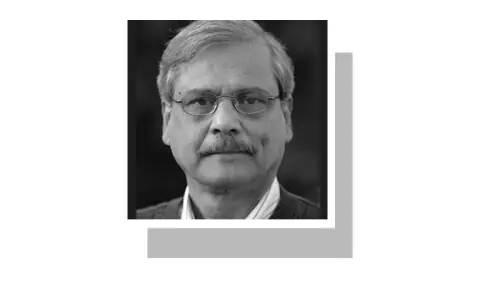
Executive Director of CISS retired Ambassador Ali Sarwar Naqvi said the webinar had been organised to explore the entire range of issues pertaining to the CWC. He said the CWC was a significant international agreement and its breakdown could potentially have serious repercussions for global security.
He underscored the importance of the Internal Compliance Programme of UNSCR-1540 for developing a robust implementation mechanism.
Dr Syed Javaid Khurshid, Senior Research Fellow, CISS, spoke about the universality of the CWC and Pakistan’s commitment to its Implementation. He suggested measures to further strengthen and implement Internal Compliance procedures of 1540 at academic and research institutes to reduce the risk of dual-use chemicals and the establishment of a Responsible Chemistry Institute.
Published in Dawn, April 24th, 2021