Indian police block roads into Delhi to stop farmers disrupting budget day


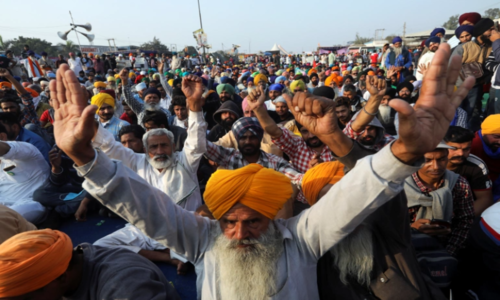
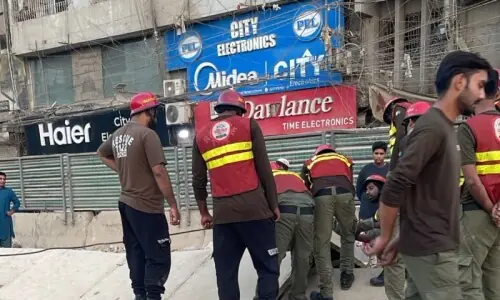
Indian police and paramilitary dug ditches and spread razor wire across main roads into New Delhi on Monday to prevent protesting farmers entering the capital as the finance minister prepared to deliver the government’s annual budget in parliament.
Internet and messaging services were blocked in several neighbourhoods on the outskirts where protests turned violent last week, and security was stepped up around parliament and other important government offices in the central district.
“The government has increased security to avoid any clash or violence when parliament is in session,” said a senior official who didn’t wish to be named in line with official policy. “The idea is to keep everyone safe and avoid any escalation in tensions.”
A farmers’ procession turned violent on January 26, when India celebrated its Republic Day with a military parade, as some protesters broke away from a rally of tractors to storm into the historic Red Fort complex after breaking through barricades and clashing with police.
On Friday, authorities used tear gas and batons to break up clashes at one of the protest sites near the city. And in the past few days, more farmers have arrived along with their tractors to join their protesting colleagues at the three major protest sites near New Delhi.
“The country was saddened by the insult to the Tricolor [Indian flag] on Jan 26 in Delhi,” Modi said in a radio address on Sunday, making his first public comments on last week’s violence.
“The government is committed to modernising agriculture and is also taking many steps in that direction.”
The farmers want the government to withdraw three new farm laws — introduced by Prime Minister Narendra Modi’s government in September — that they say will hurt their livelihoods and benefit large private produce buyers.
The government says the reforms will open up new opportunities for farmers and it has invited farmer leaders for fresh talks to end the deadlock.
Although Modi remains India’s most popular politician, his standing in the rural areas, where most Indians live, could be damaged by his handling to the farmers’ two-month-old agitation.