Assange denied bail despite US extradition block
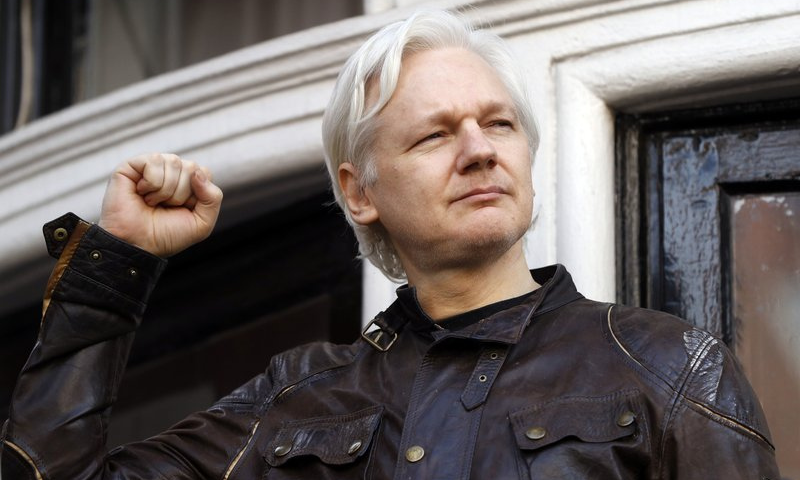
LONDON: WikiLeaks founder Julian Assange must remain in custody in Britain, while the US appeals a court decision to block his extradition to face charges there for leaking secret documents, a judge in London ruled on Wednesday.
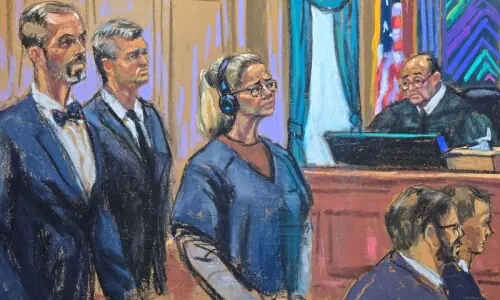
Judge Vanessa Baraitser, who on Monday refused to grant his extradition, told Westminster Magistrates Court that if released there were “substantial grounds” to suspect Assange would “fail to surrender” for future appeal hearings.
“Mr Assange still has an incentive to abscond from these as yet unresolved proceedings,” she said.
“As a matter of fairness the United States must be able to challenge my decision. If Mr Assange absconds during this process then they will have lost the opportunity to do so.”
Outside court, lawyer Stella Morris, Assange’s fiancee and the mother of two of his children, called the decision “a huge disappointment” and urged the US Justice Department to drop the charges.
A lawyer for the US government earlier urged Baraitser not to release the controversial Australian publisher, and detailed how it planned to challenge her decision to block his extradition on mental health grounds.
“We respectfully submit on behalf of the United States that there are insurmountable hurdles to Mr Assange being granted bail,” Clair Dobbin said.
She added there were “no conditions that could guarantee his surrender” in future.
“The history of his attempts to evade extradition to the United States demonstrate that he is capable of going to any length to avoid that possibility,” Dobbin said.
The court “should be under no doubt about his resources to abscond” and pointed to offers of political asylum, notably from Mexico, she added.
Assange attended court wearing a suit and mask over his mouth, two days after the unexpected decision to deny his removal to the United States on the basis the risk of his suicide there was too great.
Edward Fitzgerald, his lawyer, argued he should be freed after spending 15 months in custody awaiting the extradition proceedings.
Baraitser’s decision on Monday “certainly changes any motive to abscond,” he added. “The court has given a decision and the decision has been that he should be discharged.”
Assange is wanted in Washington to face 18 charges relating to the 2010 release by WikiLeaks of 500,000 secret files detailing aspects of military campaigns in Afghanistan and Iraq.
The US claims he helped intelligence analyst Chelsea Manning steal the 2010 documents before exposing confidential sources around the world.
He faces a possible 175-year sentence if convicted but Assange and his lawyers have long argued the case against him is politically motivated.
Published in Dawn, January 7th, 2021