

China to begin Covid-19 inoculations for frontline workers
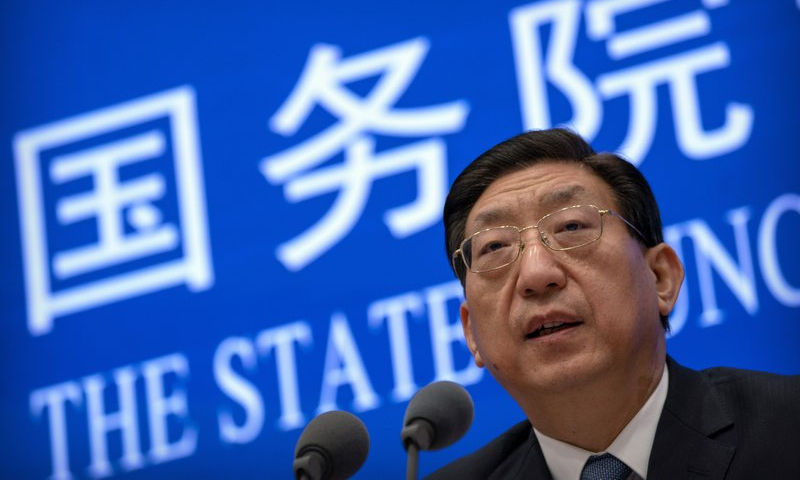
BEIJING: China will soon begin coronavirus inoculations for workers in healthcare, transport and border control, a senior official said on Saturday.
Vice Minister of the National Health Commission Zeng Yixin gave few specifics but said the government was prioritising those most at risk of catching the virus.
Workers in logistics and in markets selling fresh meat and seafood would also be placed higher on the list of those receiving vaccines, along with the elderly and those with underlying medical conditions.
China says it has largely contained the spread of the virus domestically, announcing just three new cases of local infection on Saturday, two of them in the capital Beijing and one in the northeastern province of Liaoning.
Vaccines produced by Chinese companies are pending approval in Turkey, Indonesia and Brazil, as manufacturers continue testing the vaccines in more than a dozen countries including Russia, Egypt and Mexico. Bahrain became the second country in the world to approve a Chinese-made Covid-19 vaccine, joining the United Arab Emirates.
The UAE last week announced the vaccine was 86 percent effective, marking the first public release of information on the efficacy of the shot.
Chinese companies have yet to provide information about the results of their phase 3 trials. Chinese companies have previously released phase 1 and phase 2 clinical trial data for their vaccines through peer-reviewed academic journals.
Even before final market approval, more than a million people have received vaccine shots in a programme critics say has not been transparent about safety, efficacy or scientific merit. China officially gave emergency use approval to Sinovac and Sinopharms vaccine candidates in July. A third company, CanSino, had also given its vaccine to Chinese military personnel.
Those receiving the shot included front-line health care workers, border personnel but also workers at state-owned firms who needed to travel abroad.
In the past few months, local governments have also started buying vaccines for immunizations under emergency use.
Health officials previously said China will be able to manufacture 610 million doses by the end of this year and ramp up to 1 billion doses next year.
Sinopharm and Sinovacs shot relies on a tested technology, using a killed virus to deliver the vaccine, similar to how polio immunisations are made.
Published in Dawn, December 20th, 2020




























