Big gains for opposition in Kuwait parliament polls



KUWAIT CITY: Kuwait’s opposition took nearly half of parliament’s seats in weekend polls amid calls for reforms over corruption and high debt, but the sole woman lawmaker lost her seat.
Twenty-four of the National Assembly’s 50 seats were won by candidates belonging to or leaning towards the opposition, up from 16 in the last parliament, according to results announced on Sunday.
But while 29 women ran for office in Saturday’s race, none were elected — a blow to the status of women who have fought hard over recent years for more representation in the oil-rich emirate, after winning the right to vote just 15 years ago.
Nevertheless, the election of 30 candidates under the age of 45 sent out a promising signal to youth hoping for change and reform.
The election, which takes place every four years, was overshadowed by Covid-19 and a consequent paring back of campaigns that in normal times draw thousands for lavish banquets and over-the-top events.
Five polling stations — one in each electoral district — were specially fitted out to allow citizens infected with coronavirus to cast their votes.
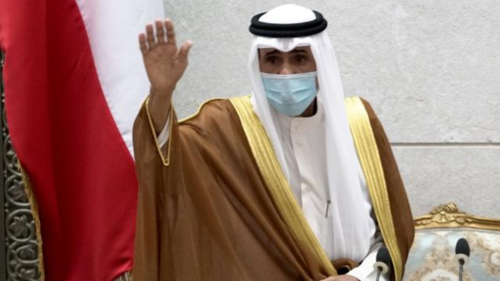
The polls were the first since the new emir, Sheikh Nawaf al-Ahmad Al-Sabah, took office in September following the death of his half-brother, Sheikh Sabah al-Ahmad Al-Sabah, at the age of 91.
The country has the Gulf’s oldest elected parliament, but under the constitution the emir has extensive powers and can dissolve the legislature at the recommendation of the government.
Thirty-one new faces would enter the new parliament, results showed.
The Muslim Brotherhood-linked Islamic Constitutional Movement (ICM) won three seats, while candidates from Shia community won six.
“There is a big change in the composition of the new National Assembly,” Kuwait analyst Ayed al-Manaa said. “This is an indication of the voters’ anger over the performance of the previous parliament and of their desire for change in economic, health, education” and services, he said.
Published in Dawn, December 7th, 2020