'Will build biggest dam in Pakistan's history': PM Imran kicks off construction work at Diamer-Bhasha Dam



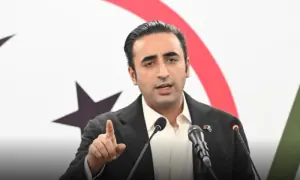
Prime Minister Imran Khan on Wednesday vowed to build the "biggest dam in Pakistan's history" after kicking off construction work at the Diamer-Bhasha Dam project, adding that the project will also benefit the people living in Gilgit-Baltistan (GB).
The prime minister made the remarks while addressing a public gathering in Chilas.
Earlier, the PM had visited the site of the dam along with Chief of Army Staff Gen Qamar Javed Bajwa and Federal Minister for Water Resources Faisal Vawda, where they were briefed on the mega project.
In a tweet earlier today, Special Assistant to the PM on Information retired Lt Gen Asim Saleem Bajwa said that the project will generate 4,500MW of hydel power and provide at least 16,000 jobs.
The premier, during his address, vowed that with this project, the government was going towards building the "biggest dam in Pakistan's history".
"This will be our third big dam. China has made around 5,000 big dams, but have a total of about 80,000 dams. From this you can gauge the massive mistakes we have made in the past.
"The decision to build this dam was taken 50 years ago. There can be no better site for constructing a dam, it is a natural dam. Forty, 50 years ago this was decided, and work on the project has begun today. This is one of the biggest reasons why we haven't progressed."
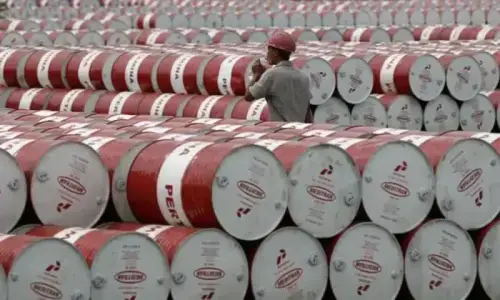
The premier maintained that the government will now move towards building more dams on rivers, which will lessen pressure on foreign exchange and allow Pakistan to generate its own fuel.
He added that generating electricity from water instead of furnace oil or coal will also prevent negative impacts of global warming and climate change. "The benefits are dual. We won't have to import fuel and it won't affect our climate negatively."
Imran said that the project would also generate job opportunities for people living in the region. "I am familiar with GB and have visited Chilas on multiple occasions in the past 30 years. I am well aware how much the area depends on tourism and how much they need tourism during the summer months."
He said that he will speak to the chief minister to prepare standard operating procedures (SOPs) for resurrecting the tourism industry that has been severely impacted by the Covid-19 pandemic.
"We can learn from the world, tourism is slowly resuming. It won't be the same as it was before the pandemic hit, but we can start opening it slowly and start developing SOPs for it," he said, adding that help will also be extended by the National Command and Control Centre (NCOC) in this regard.
The premier added that the project was a huge opportunity for the people of Chilas and GB. Addressing the people of GB, he said: "We didn't increase your budget out of obligation. It is our government's policy to prioritise those areas that have been left behind.
"Thus far, our development has been restricted to a few cities. We will be left behind until we spend on uplifting less-developed areas."
Therefore, the government is investing in GB, merged districts and Balochistan, he said. He concluded his speech by congratulating the people of GB. "Time will prove that this dam will change the fortune of the people of GB, especially those living in Chilas."
The premier had began his speech by stressing that nations only progress when they think of the future and when they invest in their resources, uplifting those segments of society that have been left behind.
"The decisions made in the 90s to generate electricity using imported furnace oil affected our current account deficit. When there is pressure on foreign exchange, [the country's] economic conditions start deteriorating."
He stated that when the PTI took over the government, it inherited a current account deficit of Rs20 billion, the largest in the country's history.
"The value of the rupee started falling after deciding to generate electricity from imported oil; when the rupee depreciates, all imports become more expensive and inflation rises. This affects the poor people."