Mediterranean marine life flourished during lockdown


 0
0


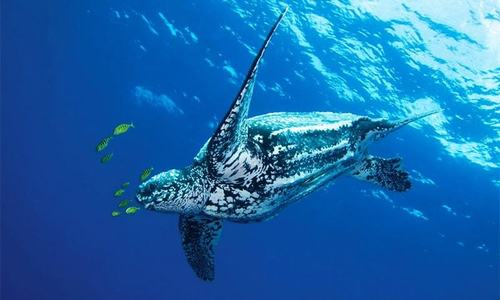
LAZIO: Marine life in the Mediterranean off Italy flourished during the coronavirus lockdown as water quality improved and species moved into spaces vacated by people and ships, the Italian coastguard has found.
The strict rules halting business and movement for two months offered an unprecedented opportunity to monitor the impact of human activity on the sea that surrounds Italy.
Since April, the coastguard has used water samples, underwater footage filmed by remotely operated vehicles and its own divers, and a census of unusual sightings of marine species close to heavily populated areas to monitor the sea.
In the Secche di Tor Paterno, a protected marine reserve 8 km (5 miles) off the coast of Rome, moray eels and colourful fish crowd a forest of gorgonians, or sea fans and corals.
“We were able to ascertain a significant improvement in the transparency of the waters and a significant reduction in suspended material,” Lieutenant Alessandro Mino, commander of the coastguard diving unit of the Campania region, said, speaking from a boat off the coast of Lazio, near Rome.
Even before the full results of the study are published in late July, improvements have been tangible.
A pod of sperm whales was spotted in the blue waters of the Sicilian sea near the port of Milazzo and dolphins replaced container ships in ports in northwestern Liguria.
“The marine environment and marine life have regained spaces that human activity had eroded,” Mino said.
Published in Dawn, July 7th, 2020