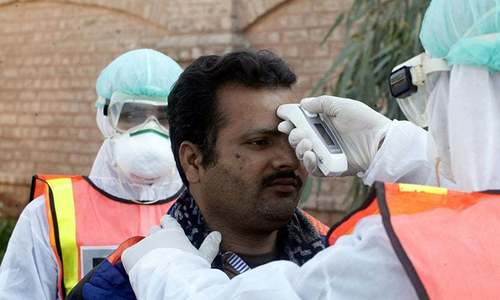
AS confirmed Covid-19 cases rapidly increase across the country, a dangerous trend is emerging within communities: people are refusing to get tested for the coronavirus as they fear being shamed and stigmatised.
There appears to be a general fear that if the test turns out to be positive, the infected individual will be expelled from the community or left to languish in an isolation centre.
The belief is that calling a Covid-19 testing team to one’s home or neighbourhood will invite judgement.
The consequences of such apprehensions can be extremely damaging to efforts to curb the spread of the infection.
Such concerns stem from a poor understanding of the virus and the SOPs in place to deal with confirmed cases.
There are also concerns that the bodies of those who succumb to the infection are not released to family members, thereby fuelling reluctance to get tested.
These apprehensions are further compounded by conspiracy theories that Covid-19 is ‘not real’.
This phenomenon is not unique to Pakistan.
It is seen in other countries as well, such as Iraq, where religious beliefs and a deep suspicion of the government have made people ashamed and afraid of getting themselves tested.
Over there, the fear runs so deep that some avoid being tested, stop family members getting tested and delay seeking medical help until they fall seriously ill.
A similar trend has been observed in countries in West Africa, where members of a neighbourhood reproached an individual for calling the government helpline to get tested.
In this situation, federal and provincial administrations must improve their messaging to the public.
They must strengthen their awareness campaigns to specifically resonate with those who refuse testing due to mistaken or ill-informed beliefs.
If people fail to report Covid-19 symptoms and refuse to have themselves tested, the chances of community transmission will increase — and the spread of the virus to elderly, vulnerable and immuno-compromised individuals will go undetected.
Therefore, it is extremely important that authorities communicate how crucial testing is, and show how citizens can responsibly play their part in curbing transmission by reporting themselves if they experience Covid-19 symptoms.
Hiding symptoms and failing to be tested will have catastrophic results in communities, especially since reports indicate that our healthcare systems are already overwhelmed.
Such fear and reluctance will only add to the spread of the virus, which has already taken more than 1,500 lives in Pakistan.
Published in Dawn, June 2nd, 2020