President consults religious leaders over gatherings


 50
50


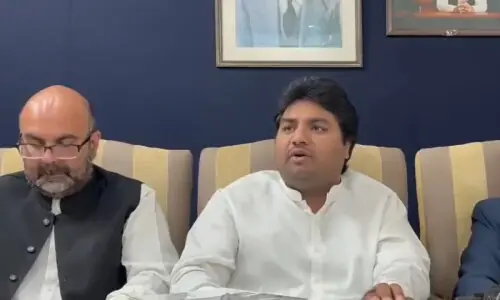
ISLAMABAD: President Arif Alvi on Friday held talks with Jamaat-i-Islami chief Senator Sirajul Haq, Jamiat Ulema-i-Islam-Fazl chief Maulana Fazlur Rehman, Markazi Jamiat Ahle Hadith chief Senator Sajid Mir and Pakistan Muslim League-Nawaz leader Rana Tanveer Hussain regarding prayer congregations.
In separate telephone calls, President Alvi discussed with them matters pertaining to his meeting with ulema on Saturday about measures to be adopted against the spread of the coronavirus during Ramazan.
The move was part of the efforts by state functionaries to dissuade religious leaders from holding congregations as mosques in the federal capital and several other areas witnessed significant gatherings during Friday prayers after the announcement by senior clerics that they would not observe the ban on public gatherings.
After the Saturday meeting with the president, another meeting between the prime minister and religious leaders is expected to be held over the precautionary matters.
Minister expects govt, ulema will reach consensus in today’s meeting
Tablighi Jamaat chief Maulana Nazarur Rehman had earlier appealed to his followers to abide by the government precautionary measures.
However, Ruet-i-Hilal Committee chairman Mufti Muneebur Rehman and Mufti Taqi Usmani had taken a hard line against the government limitations on number of people during collective prayers.
Minister for Religious Affairs Pir Noorul Haq Qadri also appealed to Ulema to take the coronavirus issue seriously, warning them that they would be held accountable if the number of patients and death toll multiplied.
“If the situation goes out of hand, people will target religious scholars in their criticism,” he said.
The minister regretted a large number of Covid-19 patients had returned to Pakistan from Europe, but the zaireen coming from Iran and members of Tableeghi groups had been the key target of criticism for the spread of the pandemic in the country. “This shows that there was a targeted attack on religious communities and there are people in country who have problems with mosques,” he said.
Asked about the stance taken by senior clerics that it was not their responsibility to stop people from coming to the mosques and that the state should stop people from visiting the mosques, the minister said the government could not do everything alone.
The Islamabad administration is already facing a direct challenge from Maulana Abdul Aziz who not only held large congregations at almost every prayer but also claimed in online posts that he would continue to lead the collective prayers.
The minister said that mosque committees and religious scholars had a role to play to stop people from visiting mosques in large numbers. He reiterated that coronavirus was a global concern and the government took the steps to ensure safety of the people. “If the number of patients increase it will be difficult to control, but this too is a serious concern that Ramazan has arrived in these difficulties times where social distancing is essential,” the minister said.
He said the meeting with Ulema on Saturday was very important. “I am confident that consensus will be reached,” he said, adding that the government did not want to enter into any conflict with the religious segments and would seek to reach common grounds for prayers in Ramazan.
Published in Dawn, April 18th, 2020