Scholars helping Pakistani Americans tackle unforeseen situation


 15
15


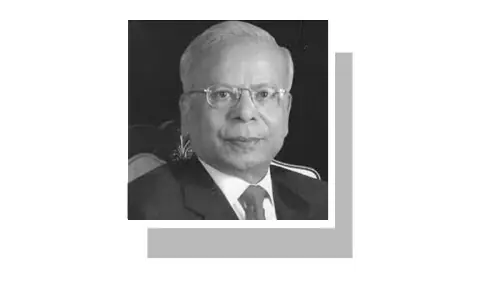
WASHINGTON: The coronavirus pandemic has created unprecedented fiqhi and spiritual issues for the Muslim community in the United States, says Dr Asif Hirani, an Islamic scholar helping the community deal with this crisis.
The issues range from praying at mosques to burial and funeral rites, as the deadly virus spreads.
Umair Ahmed, a coordinator at the Muslim Funeral Services of New York, said that services at his center have more than doubled, from three to six or ten a day, because of the pandemic.
Kareem Elmatbagi, the co-owner of the Islamic International Funeral Services, Brooklyn, said his funeral home’s intake has doubled to about 400 over the last few weeks.
Yet, the community forced the Pakistan Embassy earlier this week to issue a statement, which created the impression that no Pakistani has died of coronavirus.
“This is because of everyone’s desire to get a proper Islamic funeral and burial — rites that can no longer be practiced because of the virus-related restrictions,” said Moviz Siddiqui, who is associated with a Muslim relief organisation.
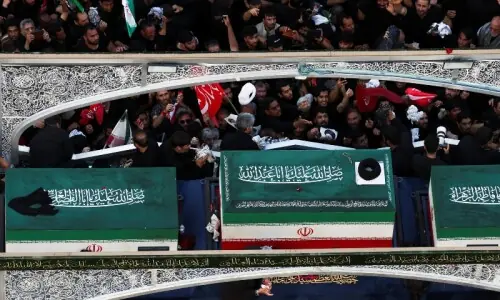
A person who dies of other causes, such as a heart attack, can get a normal funeral, which includes washing the body, janaza prayers and friends and relatives attending the burial, rites are denied to a coronavirus victim.
Instead of a ghusl, victims gets tayammum, about 10 people, standing at a distance of six feet from each other can participate in their last prayers and even a smaller number of people accompany the body to the graveyard.
Restrictions on public gatherings also discourage people from praying the five daily prayers in a mosque and holding large Friday gatherings.
The situation forced two of the region’s largest Muslim organizations, the Islamic Society of North America (ISNA) and the Islamic Circle of North America (ICNA), to seek guidance from religious scholars for clarifying the issues.
The ISNA guidelines tell Muslims why it’s essential to observe social-distancing and the restrictions prescribed by health officials. ICNA posted a research paper, authored by Dr Hirani, who is a Pakistani scholar of Uloom-ul-Quran, summing up the opinions of prominent scholars from across the Muslim world.
ISNA’s paper deals with the protocols of handling transfer, washing and shrouding of a body and the burial, as established by health officials.
Published in Dawn, April 14th, 2020