Pilgrims in quarantine near Quetta protest restrictions

QUETTA: Scores of pilgrims who had been put in quarantine in Mian Ghundi — an area on the outskirts of Quetta — after their return from Iran, on Saturday came out of the isolation centre in protest against the restriction on their movement and blocked the Quetta-Karachi highway.
They were demanding that they should be allowed to go home.
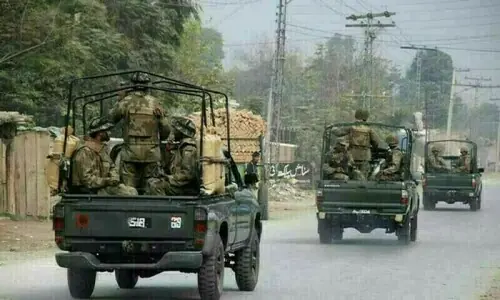
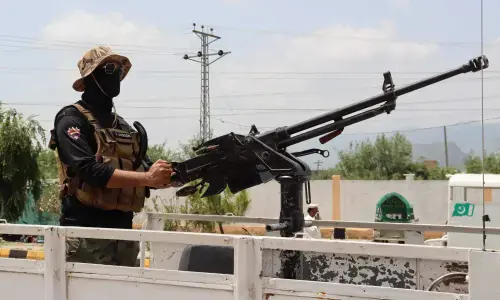
The protesters tried to march towards Quetta, but security forces blocked their way. The protest continued for about three hours.
According to sources, around 500 pilgrims are in quarantine in Mian Ghundi. They are residents of Quetta and other districts of Balochistan.
“We have completed the quarantine period and now we should be allowed to go home,” said the protesting pilgrims.
After successful talks with the local administration, the protesters returned to quarantine.
The local administration assured the protesters that after their screening for coronavirus they would be allowed to go home.
Meanwhile, as preventive measures the Balochistan government has imposed Section 144 across the province for a period of one month, banning gathering of 10 or more persons.
According to a notification issued by the Home and Tribal Affairs Department of the Balochistan government, a ban has been imposed on gathering of 10 or more persons, sit-in and procession/rallies at public places, markets, hotels/restaurants and on wedding parties, sporting events, cinemas, educational gatherings, conferences, seminars in the province with immediate effect for a period of one months.
A spokesperson for the Balochistan chief minister, Liaquat Shahwani, said on Saturday that the provincial government would take strict action against pilgrims and traders, who have returned from Iran and Afghanistan, if they try to escape the screening test.
He said around 5,000 pilgrims and traders, including 4,400 those who had visited coronavirus-affected areas of the neighbouring countries, had been screened for the deadly virus.
Published in Dawn, March 15th, 2020