WHO, health ministry and ANF join hands against tobacco, drug use


ISLAMABAD: The World Health Organisation (WHO), Ministry of National Health Services (NHS) tobacco control directorate and the Anti-Narcotics Force (ANF) signed a memorandum of understanding (MoU) to work together to decrease the use of tobacco products and protect society from drugs.
Under the agreement, the WHO will provide support for research to find alternate cash crops in areas where tobacco is cultivated.
Dr Minhajus Siraj, the project director for Tobacco Smoke Free Cities, told Dawn that for the first time ANF and the health ministry had joined hands to reduce tobacco consumption.
“Though we have established tobacco control cells in 13 cities, unfortunately police do not cooperate with us when we try to seek support for raids against counterfeit cigarettes and other violations of the law,” he said, adding: “However, now the ANF will also be with us so we will not face any difficulty in the future.”
He said the ANF had an academy which would train staff to discourage citizens from using tobacco products.
Organisations will work together on efforts to discourage use of tobacco and narcotics; WHO to provide support for research on alternate cash crops for tobacco farmers
“In the past, farmers were encouraged to stop the cultivation of poppy and start cultivating tobacco. But now the time has come to suggest farmers to stop cultivating tobacco and switch to some other cash crop. The WHO will support us in doing research on which crops should be cultivated in areas where tobacco is being cultivated,” he said.
A statement issued by the ministry said the MoU would focus on controlling, regulating and discouraging the use of tobacco and drugs collectively through extensive demand reduction strategies, including awareness campaigns, strengthening regulatory mechanisms and developing sub-national infrastructure for the rehabilitation of drug addicts and smokers through all regional directorates of the ANF and tobacco control cells of 13 major districts across the country.
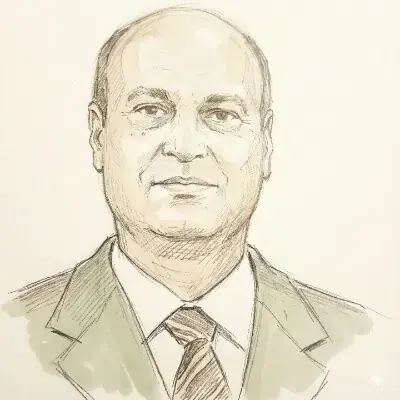
It said ANF Director General Maj Gen Mohammad Arif Malik praised the WHO country office’s efforts in supporting the control of coronavirus, polio and other fatal illnesses in the country. He said as drug addiction had been declared a health issue, the commitment and interest of the WHO country representative for the rehabilitation of drug addicts was a very noble step.
Under the agreement signed by all three organisations, the ANF model drug treatment and rehabilitation centres will be upgraded in consultation with WHO experts to offer tobacco cessation services in the near future.
The Tobacco Smoke Free Cities’ Project and ANF academy will train master trainers and ANF staff on the drug and tobacco control laws and their implementation mechanism along with supporting research on tobacco control-related topics.
This will generate indigenous data and mechanisms to influence policymakers to make informed decisions on narcotics and tobacco use.
ANF Deputy Director General Ghulam Qadir Thebo also declared the ANF directorate general and headquarters to be a ‘tobacco smoke-free zone’ and said regional directorates will follow in a couple of months.
Published in Dawn, March 13th, 2020